
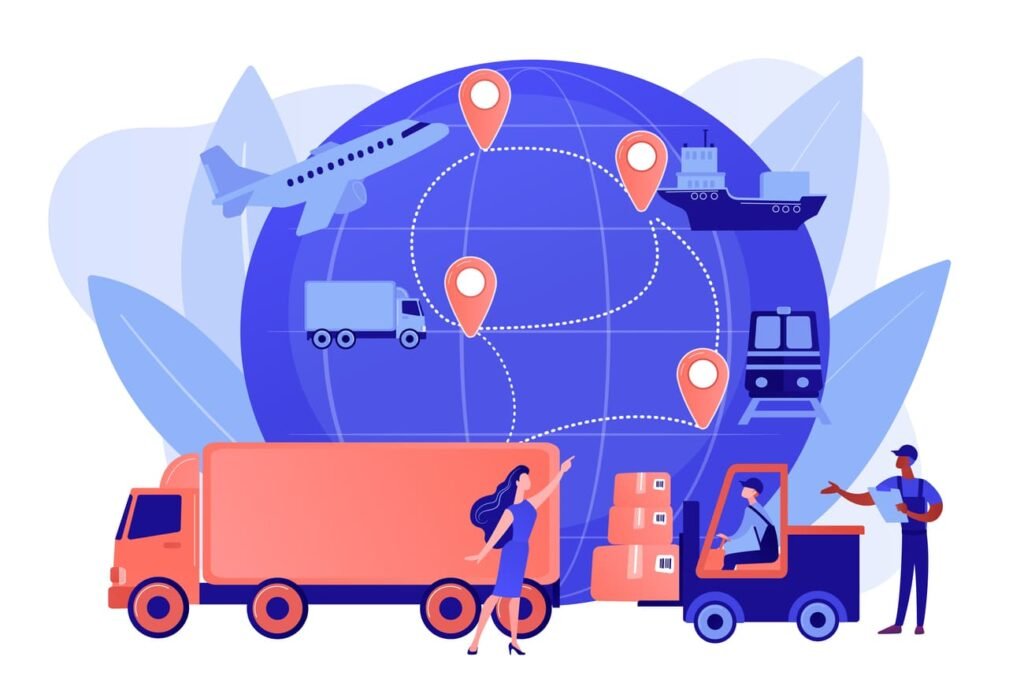
As a business owner, how you handle logistics and order fulfillment can make or break your brand. Your logistics workflow plays a role in how efficiently products move through the supply chain. In addition, it also has a direct impact on customer satisfaction.
Partnering with a reliable 3PL logistics provider will streamline operations, reduce costs, and improve delivery performance.
However, pick the wrong 3PL partner, and you will have endless issues relating to shipping delays, inaccuracies, poor customer experiences, and unnecessary expenses.
To help you make the right choices, here are seven mistakes to avoid when choosing a 3PL logistics provider.
1. Choosing a 3PL Logistics Provider Based on Price Alone
The goal for many online business owners is to make money. However, chasing profits should not translate to evaluating 3PL logistics providers based on price alone. It may sound cliché, but cheap can be expensive.
While a budget-friendly provider may seem attractive up front, lower rates often come with trade-offs. For instance, you may experience late deliveries, inadequate customer support, and outdated inventory and warehouse management systems.
Instead of focusing on price alone, evaluate the overall value a 3PL brings to your business. A 3PL partner with higher rates may offer the best customer support services or dedicated account management.
Although the services may seem expensive up front, the payoff will be great once positive reviews start streaming in.
2. Ignoring Industry Experience
Another common mistake is assuming that all 3PL logistics firms offer the same level of expertise. Nowadays, many 3PL companies provide core services such as warehousing, inventory management, and transportation.
However, not every provider has experience handling the unique requirements of your industry. Selecting a 3PL logistics partner without relevant industry knowledge can lead to costly errors, delays, and issues related to compliance.
As such, before signing a contract, ask prospective providers about their experience with businesses similar to yours.
Different industries have distinct logistics challenges. For instance, if your store sells food and beverages, you will need a 3PL partner that can comply with strict safety regulations, maintain temperature-controlled storage, and ensure product traceability.
3. Overlooking Technology and System Integration
Technology is at the heart of modern logistics, making it one of the most important factors to evaluate when choosing a 3PL provider. Without reliable technology, managing inventory, tracking shipments, and fulfilling orders efficiently can become a challenge.
Start by assessing the technologies that the 3PL partner uses. The first thing you should check is whether they can integrate seamlessly with your existing business platforms.
Real-time integration minimizes manual data entry, reduces errors, and ensures inventory levels and shipping information remain accurate across the board.
Besides system integration, automation is another key consideration. Features like automatic order processing, barcode scanning, and shipping label generation can significantly increase operational efficiency.
4. Not Evaluating Scalability
A common mistake business owners make when choosing a 3PL logistics provider is failing to evaluate whether the provider can scale alongside their operations. So, what happens when you need more storage space?
When choosing a 3PL logistics partner, consider one that can meet your current needs and support future growth. With this, you don’t have to worry about repeating this whole process two years later because your current 3PL partner doesn’t have enough resources to handle your orders and inventory.
Scalability is especially important for businesses that experience seasonal demand spikes, launch new product lines, or expand into new markets. Scalable 3PL partners such as Packageman can handle inventory fluctuations while maintaining order accuracy and delivery timelines.
5. Failing to Assess the Location of Distribution Centers
The 3PL company has checked all other boxes, but what about its geographical coverage? Where are its distribution centers located?
Even if the 3PL partner has many warehouses, it will not be efficient if they don’t align with your customer base. There is a significant chance you could face longer delivery times, higher shipping costs, and reduced customer satisfaction.
Start by evaluating where the majority of your customers are located. If most of your orders come from multiple regions, consider partnering with a 3PL logistics provider with several fulfillment centers in major transportation hubs and metropolitan areas.
If you have international customers, it’s equally important to determine whether the provider has expertise with cross-border logistics. Moreover, ensure the 3PL company has partnerships with global and international carriers.
6. Ignoring Customer Service and Communication in 3PL Logistics
Most businesses treat customer service and communication as a second thought. Even the most advanced order fulfillment workflow can fall short if communication is slow, unclear, or inconsistent.
For example, customer questions about orders and returns staying unanswered for days can cause massive damage to your store’s reputation.
A reliable 3PL should act as an extension of your business by maintaining clear and proactive communication. This should include providing a dedicated support team, regular performance updates, and timely notifications about potential delays or operational challenges.
It’s also important to evaluate the provider’s communication channels. In most cases, the 3PL partner should have multiple support options, such as phone, email, and live chat, along with access to real-time tracking dashboards.
7. Skipping Due Diligence
The last mistake is failing to conduct due diligence. This often occurs when business owners take a 3PL provider’s word without reading reviews and customer testimonials. An intuitive website and persuasive pitch shouldn’t be the only consideration when evaluating the provider’s ability.
Run background checks and look for customer reviews, testimonials, and independent ratings to identify recurring strengths and weaknesses.
While it is difficult to find 3PL partners with perfect reviews and ratings, consistent complaints about late deliveries or poor communication should raise concerns.
It’s also important to verify the provider’s compliance with relevant industry regulations and certifications. Depending on your industry, this may include ISO certifications, food safety standards, customs compliance, or other regulatory requirements.
Lastly, if the 3PL handles sensitive or high-value goods, ask about warehouse security measures, insurance coverage, and risk management procedures.
Wrapping up
Picking the right 3PL logistics provider is a critical decision that will define your business’s future trajectory.
Avoiding the seven common mistakes mentioned here can help your online store avoid costly disruptions and operational challenges. Your chosen 3PL logistics provider should be an all-round partner that aligns well with your business goals.