
In the creative world, your work matters—but your personal brand is what makes people remember you.
As a woman running a creative business—whether you’re a graphic designer, illustrator, photographer, interior stylist, or content creator—your personal brand is more than a logo or Instagram aesthetic.
It’s the emotional shortcut people use to understand who you are, what you offer, and whether they trust you.
The good news? Personal branding doesn’t require being loud, overly polished, or “always online.” It requires clarity, consistency, and intentional design.
In this guide, we’ll explore practical personal branding tips for women in creative businesses, with a branding-first approach that aligns with how real creative brands grow today.
What Personal Branding Really Means (Especially for Creative Women)
Personal branding is the way your personality, expertise, values, and visual identity come together across every touchpoint—your website, portfolio, social media, content, and client experience.
For women in creative businesses, a strong personal brand helps you:
- Attract clients who get your style
- Stand out in saturated creative markets
- Build trust before the first conversation
- Charge based on value, not hours
- Create long-term brand recognition
In short: your personal brand turns creativity into credibility.
1. Start With Brand Clarity, Not Visual Trends

Before choosing colors or fonts, step back and define your foundation.
Ask yourself:
- What type of creative work do I want to be known for?
- Who is my ideal audience—and what do they value?
- What problems do I solve best?
- What do I want people to feel when they see my brand?
This clarity guides every branding decision later—from visuals to content to pricing.
Branding insight: A clear brand always outperforms a trendy one.
2. Define Your Personal Brand Positioning
Positioning isn’t just for agencies—it’s essential for solo creatives.
Use this simple framework:
I help [specific audience] achieve [specific result] through [your creative approach].
Examples:
- “I help female entrepreneurs build calm, minimalist brand identities that feel confident and timeless.”
- “I help creative small businesses tell authentic stories through thoughtful visual branding.”
Clear positioning makes your messaging sharper and your marketing more effective.
3. Build a Visual Identity That Reflects Your Creative Style
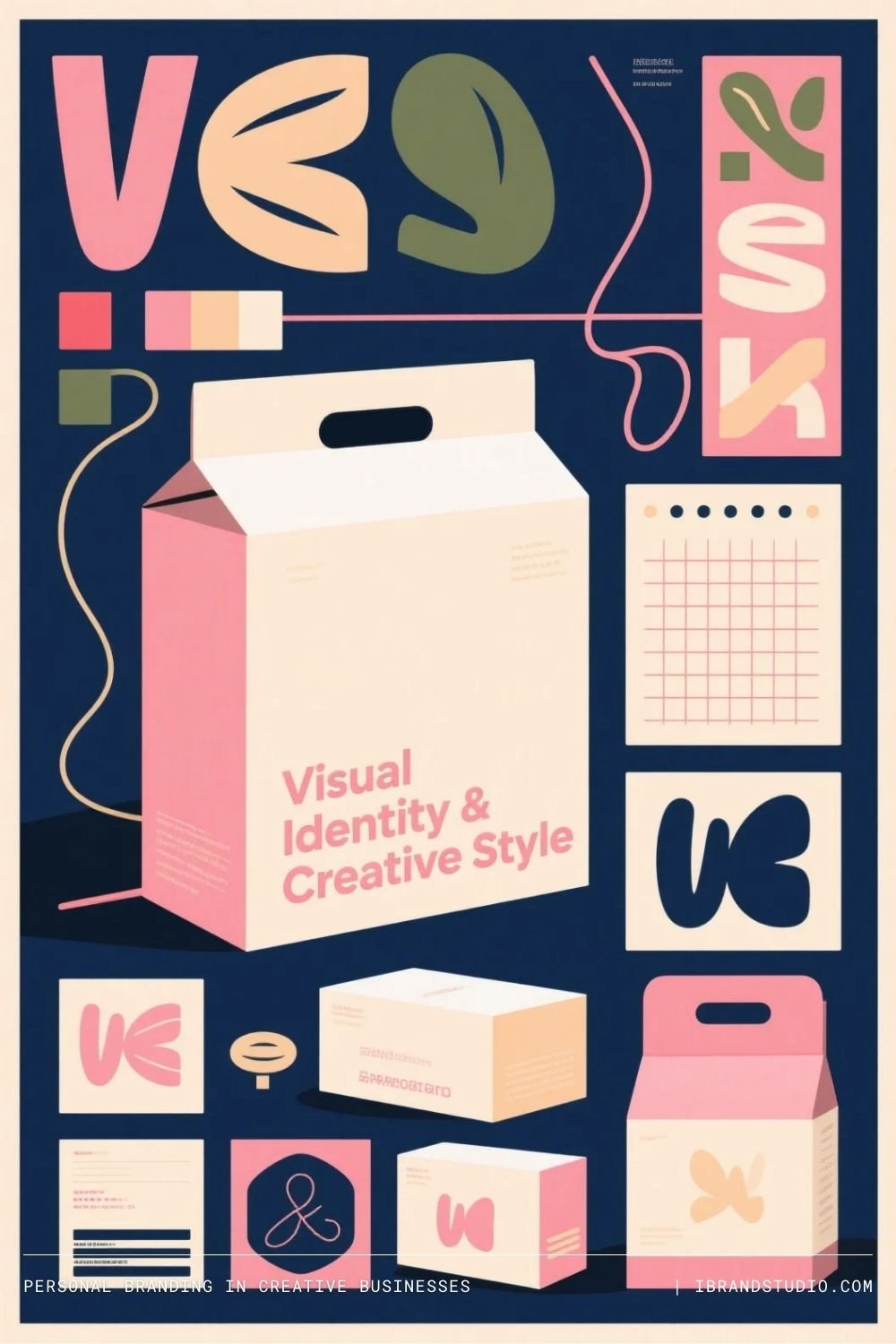
Your visual identity is often the first impression of your personal brand.
At minimum, your brand visuals should include:
- A cohesive color palette (3–5 core colors)
- One primary font and one supporting font
- A consistent image style (lighting, mood, composition)
Your visuals should feel aligned with:
- Your personality
- Your industry
- Your ideal client’s aesthetic expectations
You don’t need complexity—you need visual consistency and intention.
4. Develop a Brand Voice That Sounds Confident and Human
Your brand voice is how your personality shows up in words.
At ibrandstudio-style clarity, a strong brand voice is:
- Friendly but professional
- Confident without being salesy
- Educational without sounding robotic
Decide:
- Are you calm and guiding, or bold and opinionated?
- Do you sound like a mentor, peer, or creative partner?
Once defined, apply this voice consistently across:
- Blog posts
- Social captions
- Website copy
- Client communication
Consistency builds trust faster than perfection.
5. Tell Your Story Strategically (Not Emotionally Exhausting)
Storytelling is powerful—but it works best when intentional.
Share:
- Why you chose your creative path
- What shaped your design philosophy
- Lessons learned from real projects
- Behind-the-scenes moments of your process
You don’t need to overshare. You need to connect your story to your audience’s needs.
6. Create a Website That Acts as Your Brand Anchor
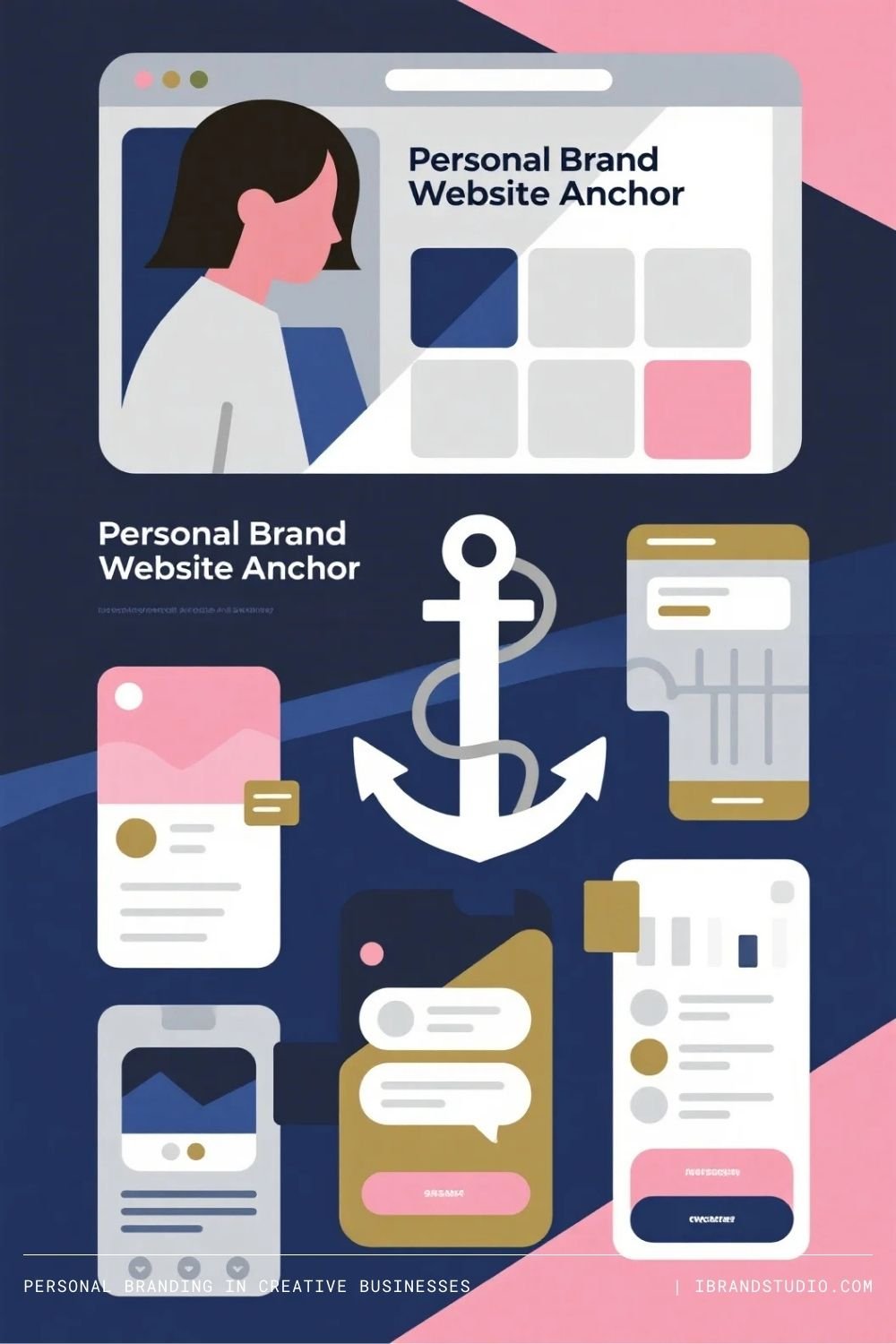
Social platforms change. Your website remains.
A strong personal brand website should include:
- A clear homepage message (who you help + how)
- An about page that balances personality and authority
- A curated portfolio with context, not just visuals
- A blog for SEO-driven long-term visibility
- Clear calls to action
7. Show Your Process to Build Trust Faster
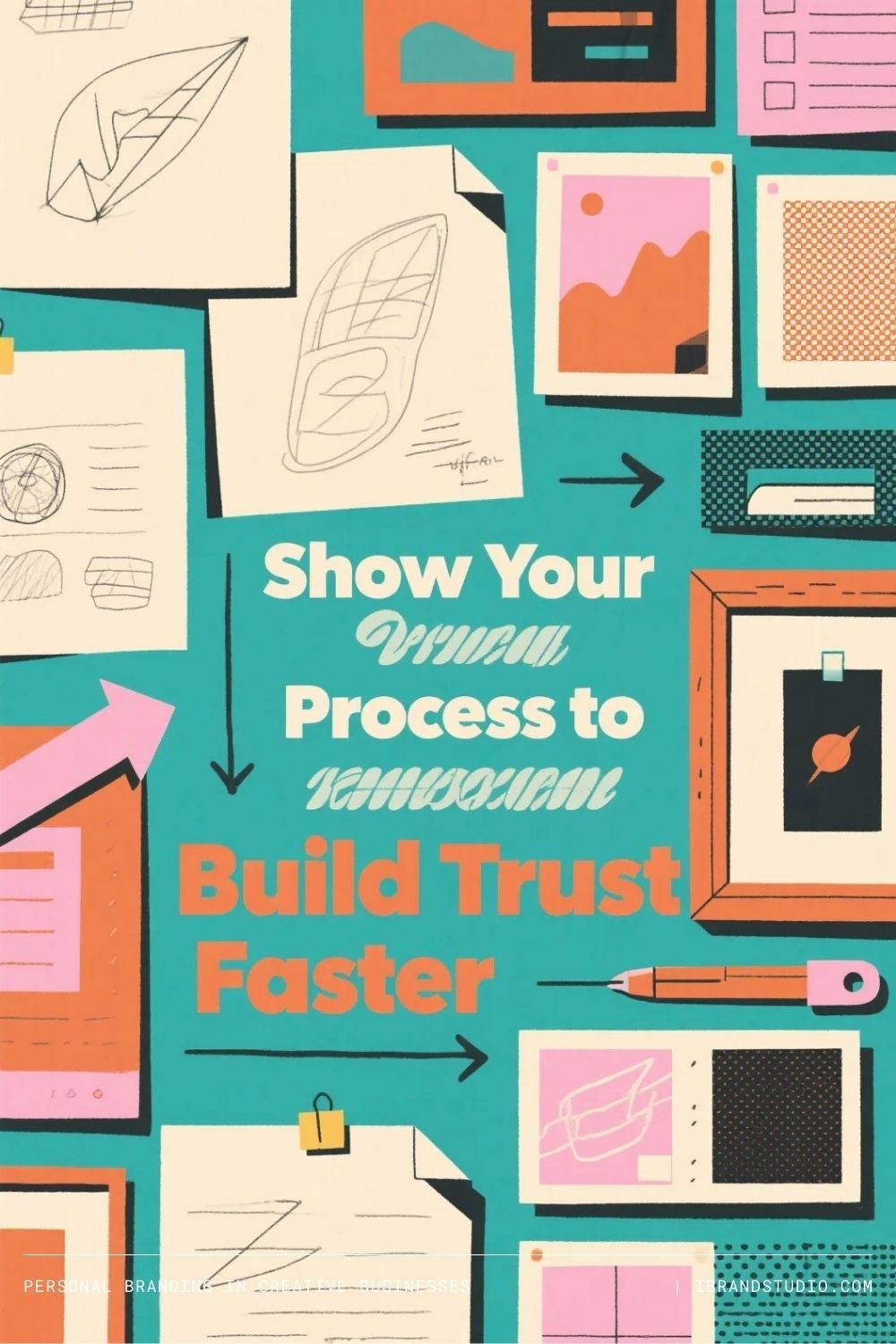
Clients don’t just hire results—they hire thinking.
Share:
- Sketches and drafts
- Mood boards and concept explanations
- Before-and-after brand transformations
- Decision-making logic
This positions you as a strategic creative—not just someone with good taste.
8. Be Consistent, Even When Life Gets Busy
You don’t need daily content to build a personal brand.
Choose a sustainable rhythm:
- One blog post per week or biweekly
- Two to three quality social posts per week
- Regular portfolio updates
Consistency creates familiarity. Familiarity creates trust.
Smart tip: Batch content during creative highs to stay visible during quieter weeks.
9. Align Your Brand With the Life You Want
Your personal brand should support your lifestyle—not trap you.
Ask yourself:
- Do I want fewer high-value clients or many small ones?
- Do I want to be a specialist or flexible generalist?
- Do I value freedom, authority, or visibility most?
Let these answers shape your:
- Services
- Pricing
- Content themes
- Brand messaging
10. Use Content to Build Authority Gently
Authority doesn’t require shouting.
Create content that:
- Educates clearly
- Solves real problems
- Reflects experience through insight
Examples:
- Branding mistakes creative women often make
- Case studies with lessons learned
- Design trend analysis with practical advice
- Actionable branding tips for beginners
This positions you as a trusted expert—naturally.
11. Network as a Brand, Not Just an Individual
Every collaboration reinforces your personal brand.
Be intentional with:
- Creative partnerships
- Guest blogging or podcast features
- Online communities
- Speaking or workshop opportunities
Show up consistently as your brand identity, not a watered-down version of yourself.
12. Let Your Personal Brand Evolve (Without Losing Its Core)
Your brand should grow as you do.
It’s okay to:
- Refine your visuals
- Update your messaging
- Narrow your niche
Just make sure your core values, tone, and personality remain intact.
Alignment beats reinvention.
Final Thoughts: Your Personal Brand Is a Long-Term Asset
Personal branding for women in creative businesses isn’t about performing—it’s about owning your creative direction.
When your brand is clear:
- Marketing feels easier
- Clients feel aligned
- Confidence grows naturally
Your creativity already has value. Your personal brand simply makes it visible.