
Branding doesn’t have to be expensive to be effective. This is one of the biggest misconceptions small business owners—and even some designers—still believe.
When budgets are tight, branding often feels like a “nice-to-have” rather than a priority.
But in reality, clear and consistent branding is one of the smartest investments a small business can make, even with limited resources.
If you’re a graphic designer working with startups, freelancers, or small business clients—or a branding enthusiast building your own brand—this guide will show you how to create strong, professional branding without blowing the budget.
Good branding isn’t about how much money you spend. It’s about making intentional decisions and sticking to them.
Why Branding Still Matters for Small Businesses
No matter how small the business, branding plays a critical role in how people perceive it. Customers don’t just buy products or services—they buy trust, familiarity, and confidence.
Strong branding helps small businesses:
- Look more professional
- Build trust faster
- Stand out in competitive markets
- Attract the right audience
- Stay consistent across platforms
Without branding, businesses often compete only on price. With branding—even simple branding—they compete on value and perception.
And that’s something money alone can’t buy.
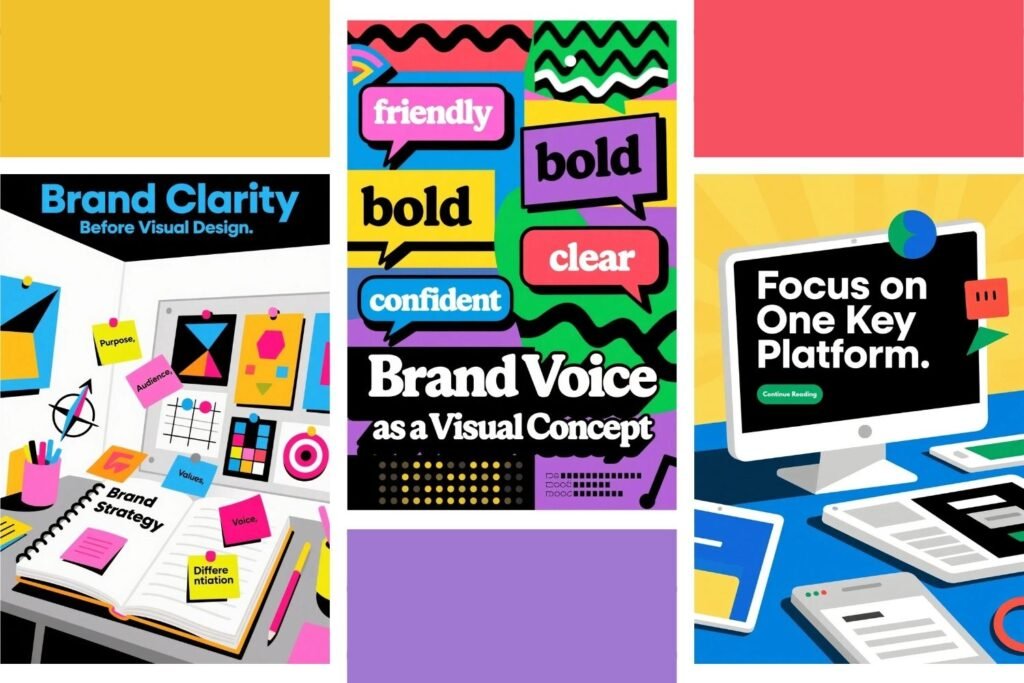
1. Start with Brand Clarity Before Visual Design


One of the most common low-budget branding mistakes is jumping straight into logo design without defining the brand itself. A logo won’t fix unclear positioning.
Before touching colors or fonts, clarify:
- Who the brand is for
- What problem it solves
- What makes it different
- How it wants to be perceived
This step costs nothing, but it shapes everything that follows.
Tip for designers
Instead of a full brand book, create a one-page brand foundation:
- Brand purpose
- Target audience
- Three brand values
- Three personality traits (e.g., bold, friendly, minimal)
This simple document keeps branding focused and prevents endless revisions later.
2. Keep the Logo Simple and Functional

When budgets are limited, simplicity becomes your best friend. A complex logo may look impressive, but it’s often harder to use, scale, and maintain.
A simple logo:
- Works better on social media
- Scales well across platforms
- Prints cleanly
- Feels intentional and professional
Low-budget logo best practices:
- Design one main logo and one variation
- Avoid unnecessary details and effects
- Test it in black and white first
- Prioritize readability over decoration
Remember: a logo is a recognition tool, not the entire brand.
3. Limit the Color Palette for Stronger Brand Identity
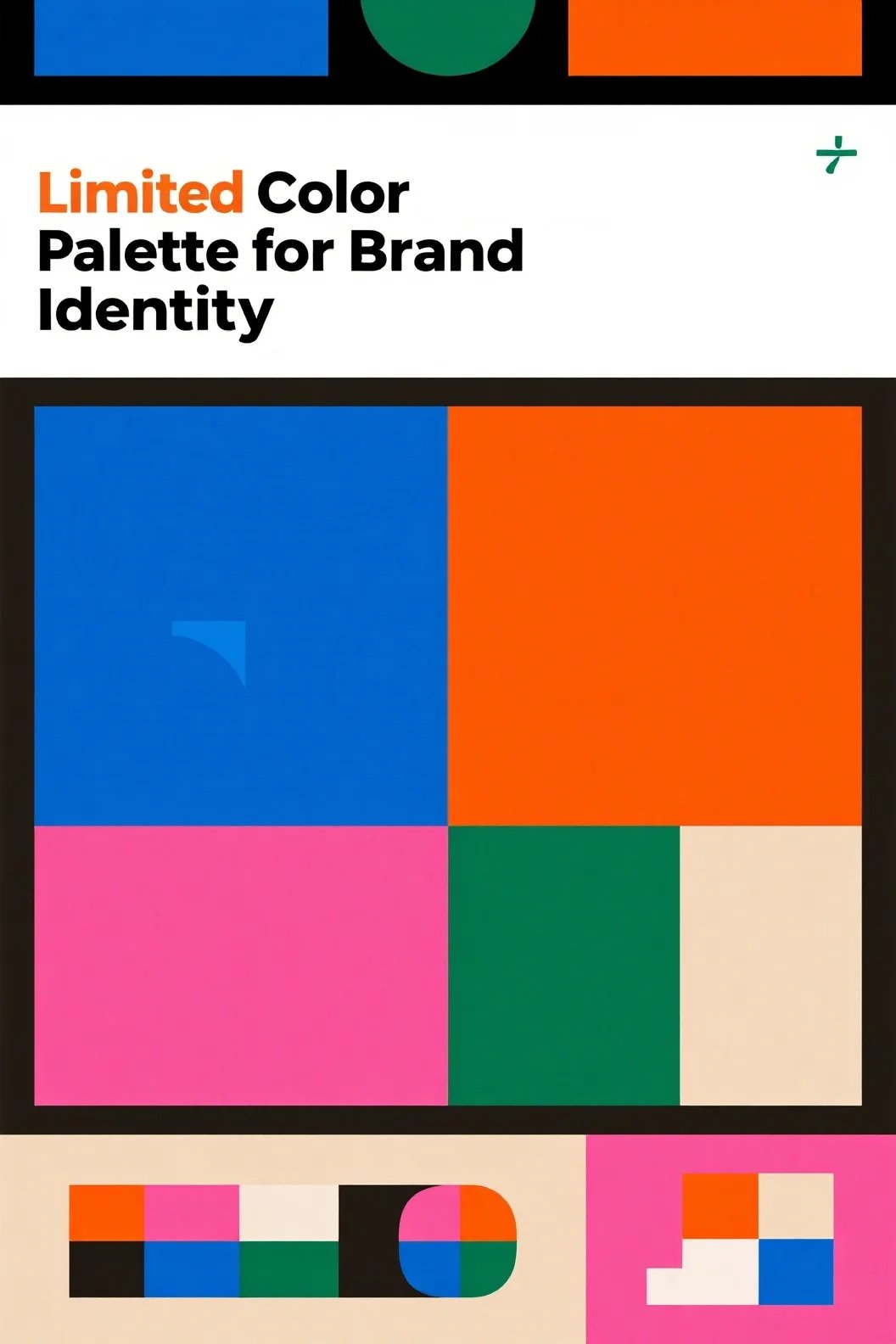
Color consistency instantly makes a brand feel more polished. Instead of using many colors, focus on a small, intentional palette.
A practical low-budget color system includes:
- One primary color
- One or two supporting colors
- One neutral color
This approach makes branding easier to manage and more recognizable over time.
Helpful tools:
- Coolors
- Adobe Color
- Color Hunt
As a designer, always test color palettes across digital platforms to ensure they work in real-life use, not just mockups.
4. Use Free Fonts Wisely

Typography can elevate a brand just as much as a logo—sometimes even more. Fortunately, great typography doesn’t require paid fonts.
Smart typography rules:
- Use one font for headlines
- Use one complementary font for body text
- Avoid using more than two or three fonts total
Reliable free font sources:
- Google Fonts
- Fontshare
- Velvetyne Type Foundry
A clean and consistent typographic system can carry a brand even with minimal visuals.
5. Consistency Is More Important Than Creativity

Many small businesses fail at branding not because their designs are bad, but because they’re inconsistent.
Consistency builds trust. It tells customers, “We know who we are.”
Focus on:
- Using the same logo version everywhere
- Applying the same colors across platforms
- Maintaining a consistent tone of voice
- Repeating layout styles and spacing
For low-budget branding, it’s better to be consistent and simple than creative but confusing.
6. Use Templates Instead of Custom Design for Everything
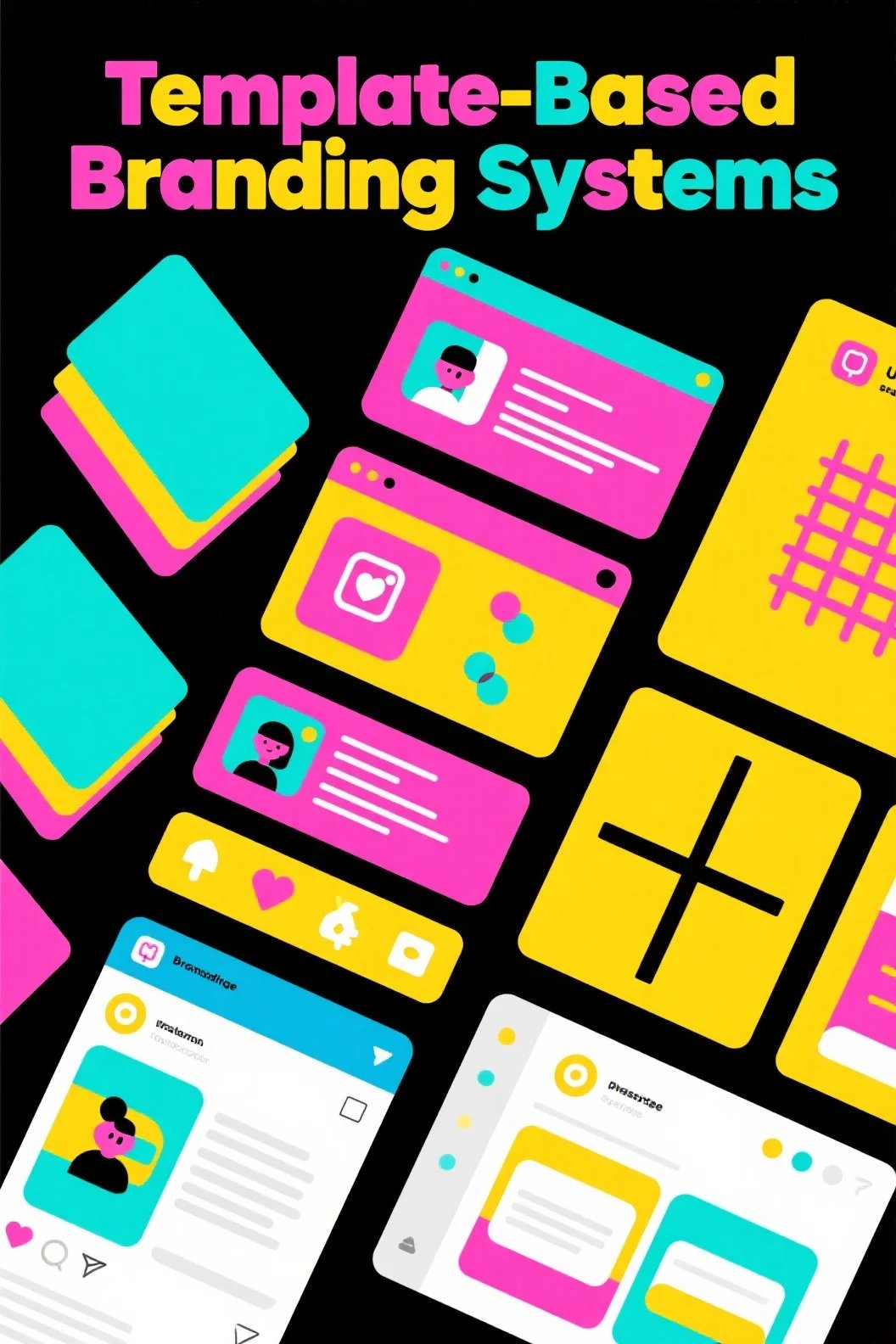
Custom design is great, but templates are practical—and often necessary—for small businesses.
Templates help:
- Save time and money
- Maintain visual consistency
- Empower non-designers
- Speed up content creation
Useful template ideas:
- Social media post layouts
- Instagram story templates
- Presentation slides
- Simple brand guideline PDFs
For designers, template-based branding packages are a smart way to deliver value while staying efficient.
7. Let Brand Voice Do Some of the Heavy Lifting
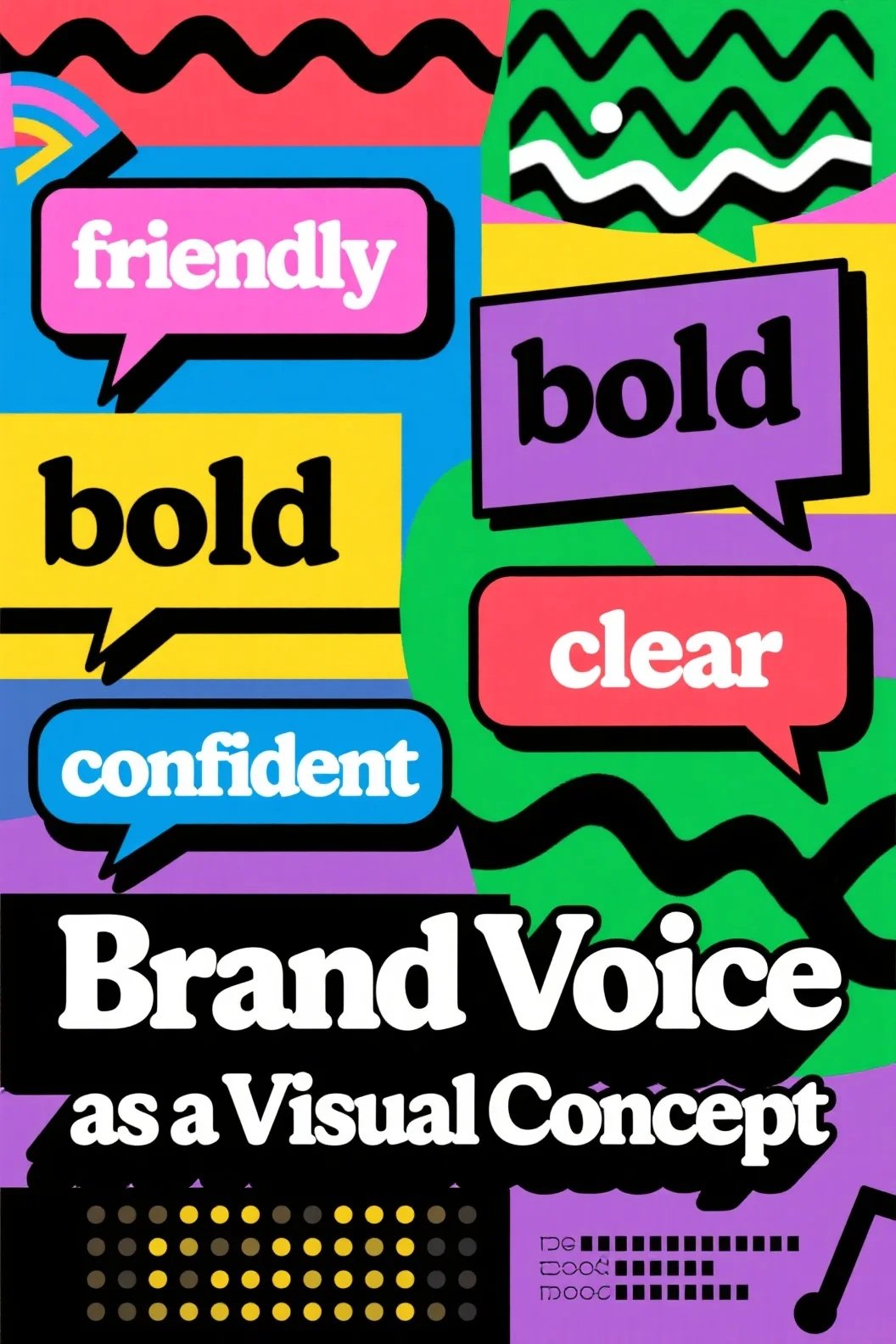
When visual budgets are limited, brand voice becomes a powerful differentiator.
Two brands might look similar, but how they communicate can set them apart.
Encourage small businesses to define:
- Their tone (formal, casual, playful, confident)
- Words they use frequently
- Words they avoid
- Emotional style of communication
A clear brand voice:
- Builds emotional connection
- Costs nothing
- Works across websites, social media, and marketing
8. Focus on Fewer Platforms, Not All of Them
Trying to be everywhere usually leads to weak branding everywhere.
A better approach:
- Choose one main platform
- Add one secondary platform
- Ignore the rest—for now
This allows brands to:
- Stay visually consistent
- Produce better content
- Reduce overwhelm
From a branding perspective, strong presence on one platform beats a scattered presence across many.
9. Trade Money for Time and Effort
When budgets are tight, time becomes the biggest asset.
Small businesses can improve branding by:
- Studying competitors
- Refining messaging
- Improving product photos with natural light
- Learning basic design principles
- Writing clearer, more intentional copy
Good branding often comes from thoughtful repetition, not expensive assets.
10. Design Branding That Can Grow Later
Low-budget branding should never feel temporary or disposable.
As designers, it’s important to think ahead:
- Can this logo scale as the business grows?
- Can the color system expand?
- Can typography adapt to new content types?
Smart approach
Create a starter brand identity—simple now, flexible later. This allows small businesses to upgrade instead of rebranding completely when they grow.
Common Low-Budget Branding Mistakes to Avoid
Even with limited resources, some mistakes cost more in the long run.
Avoid:
- Copying competitors too closely
- Changing logos too often
- Using too many styles at once
- Ignoring brand guidelines
- Chasing trends instead of clarity
Strong branding isn’t about trends—it’s about recognition and trust.
Final Thoughts: Great Branding Is About Intentional Choices
Low-budget branding isn’t about doing less—it’s about doing the right things consistently.
For small businesses:
- Branding builds credibility
- Simplicity creates focus
- Consistency builds trust
For designers:
- Strategy matters more than visuals alone
- Constraints sharpen creativity
- Helping small brands succeed builds long-term value
If you can create branding that feels confident, clear, and scalable—even on a small budget—you’re not just designing.
You’re helping businesses grow.