
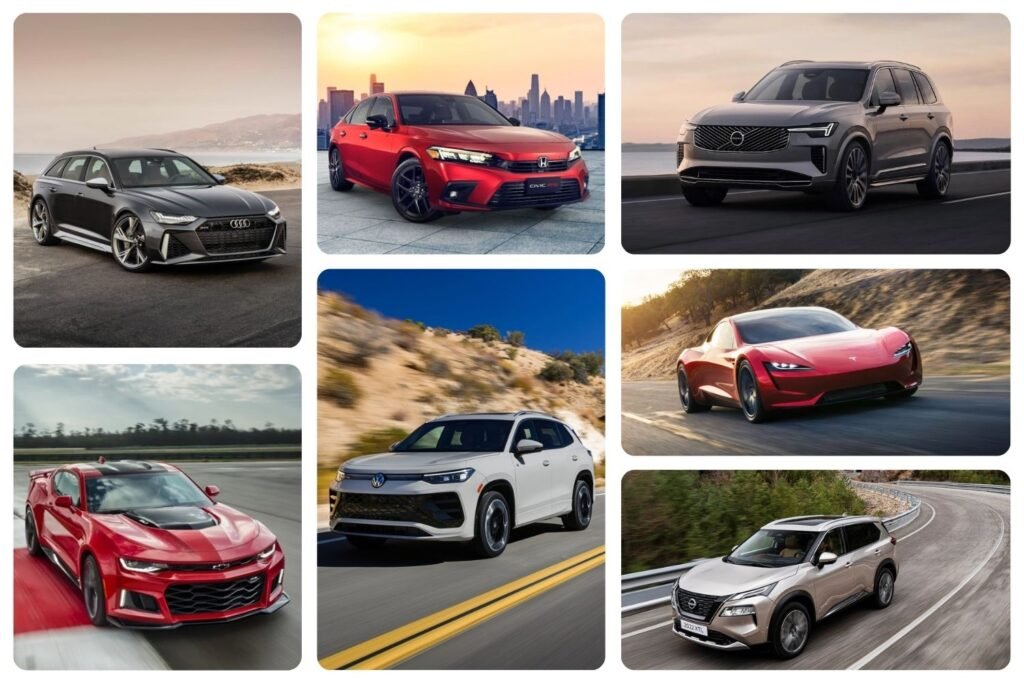
The automotive world is built on the legacy of companies that have pushed boundaries in engineering, luxury, performance, and innovation.
From century-old titans to modern disruptors, these 12 most famous car brands continue to define mobility and influence global automotive culture.
Below, we explore each brand’s story, achievements, and the meaning behind their iconic logos.
See Also: From Soles to Symbols: Logos of the 12 Most Famous Footwear Brands
1. Toyota (Japan)

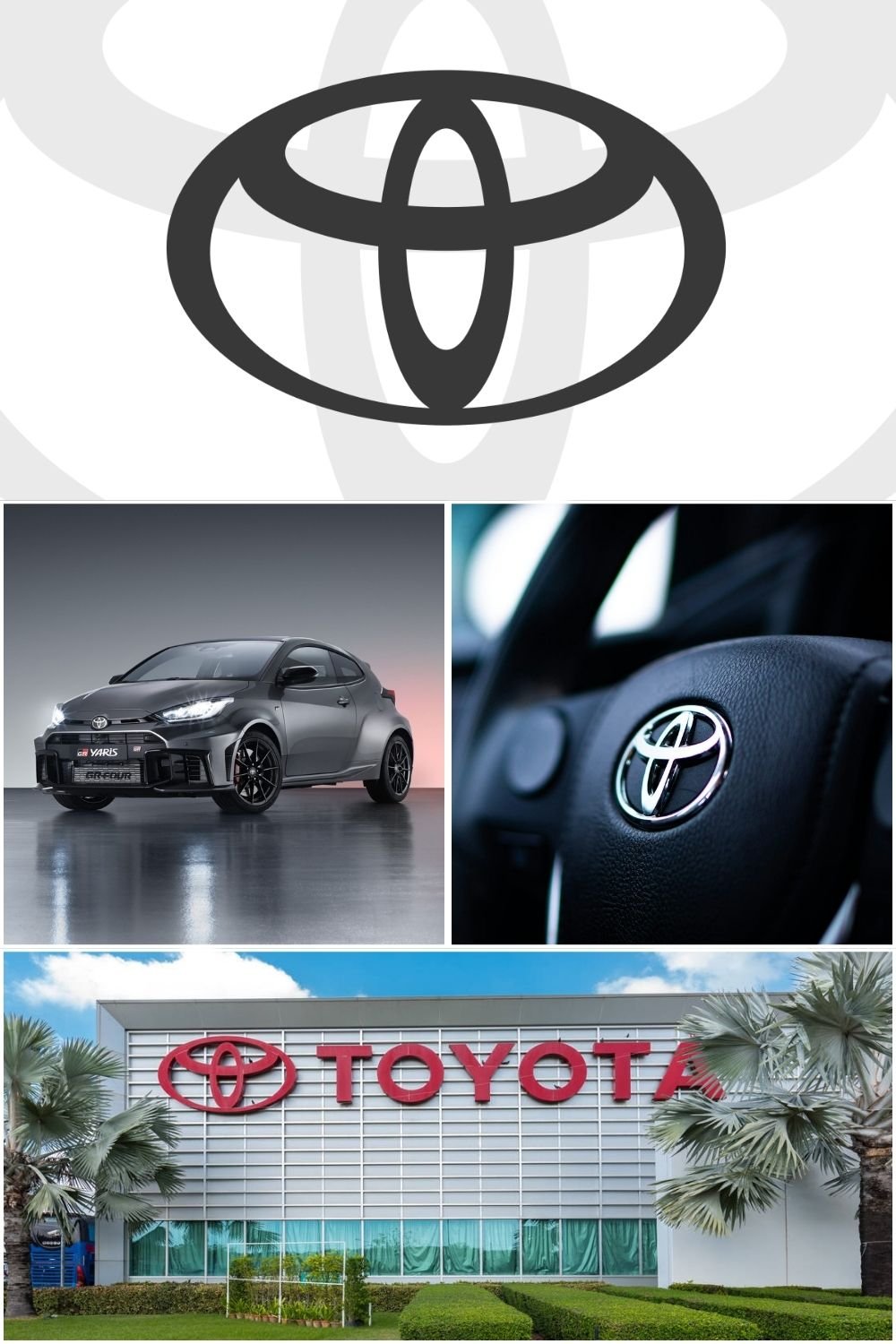
Toyota is the world’s largest automaker, famed for unmatched reliability, hybrid innovation, and the legendary Toyota Production System. Vehicles like the Corolla and Prius are global icons.
Logo Description:
The three overlapping ellipses symbolize trust between the customer and company, as well as Toyota’s global expansion.
See Also: 20 World-Famous Brands and Their Logos
2. Volkswagen Group (Germany)
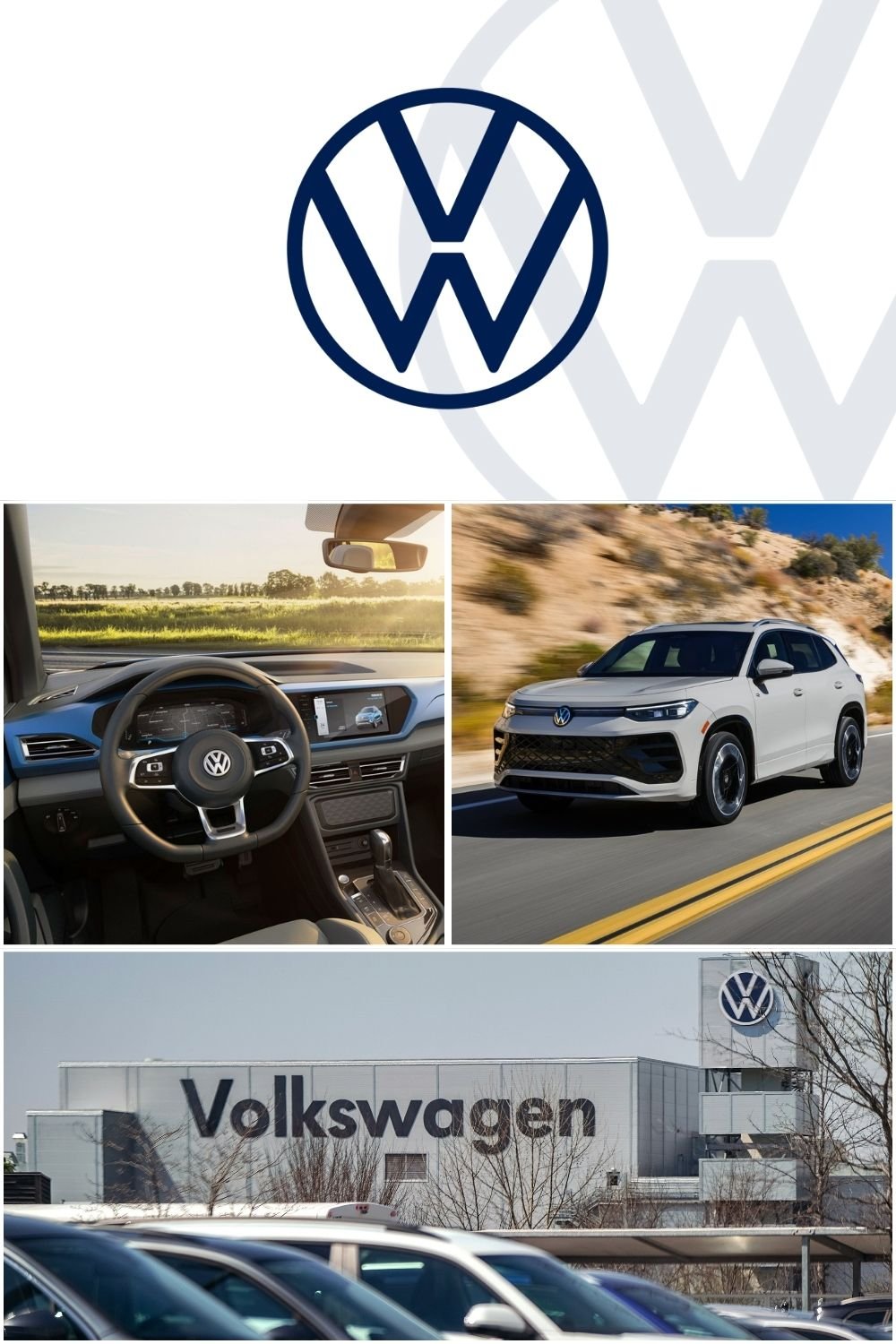
Volkswagen leads one of the automotive industry’s largest multi-brand families, including Audi, Porsche, Bentley, and Lamborghini. Known for engineering precision and widespread global manufacturing.
Logo Description:
The “V” stacked over the “W” represents “people’s car,” enclosed in a circle symbolizing unity and perfection.
3. Mercedes-Benz (Germany)
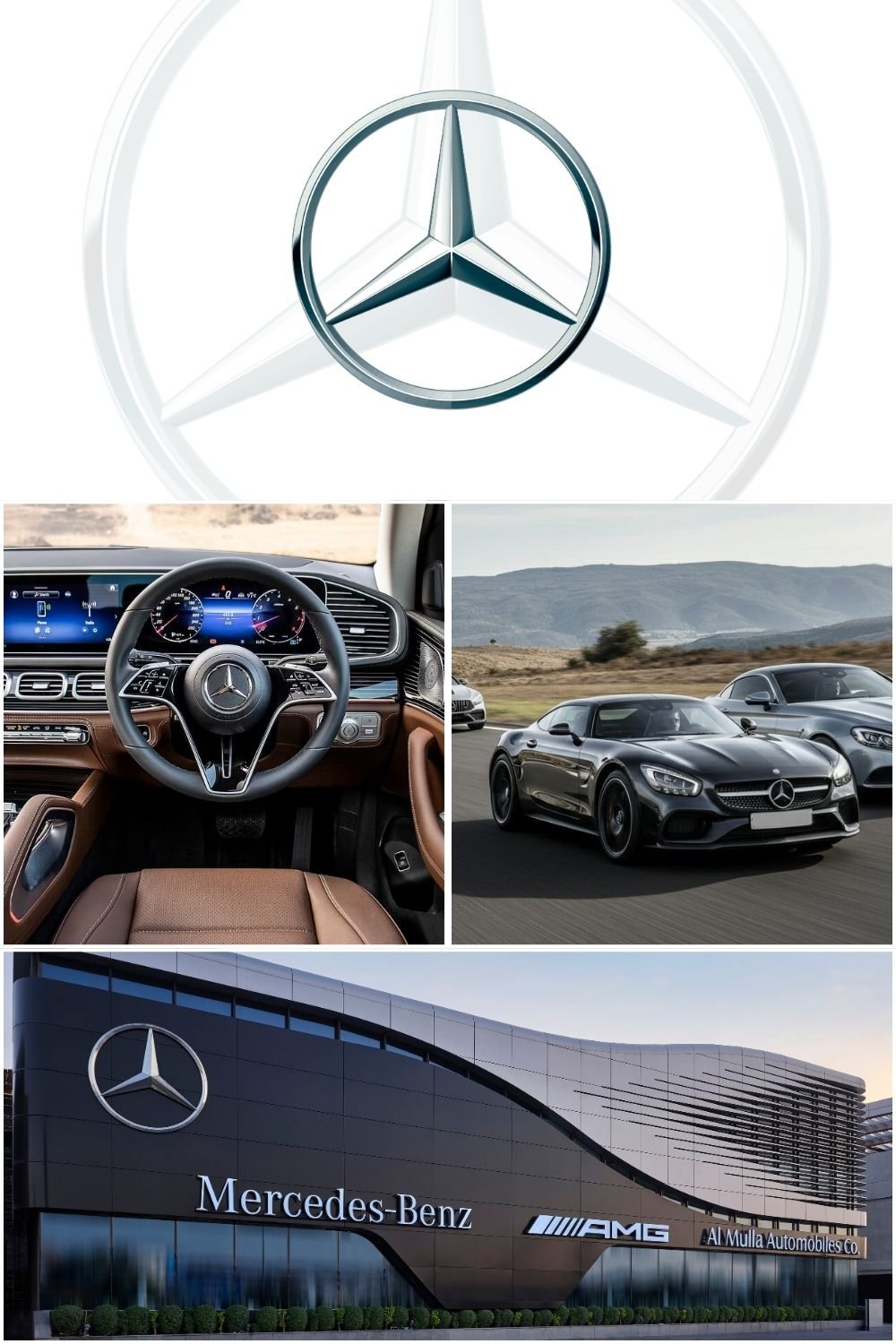
Mercedes-Benz is synonymous with luxury, elegance, and world-leading safety technologies. Its S-Class often debuts innovations that later become industry standards.
Logo Description:
The three-pointed star represents Mercedes engines dominating land, air, and sea.
4. BMW (Germany)
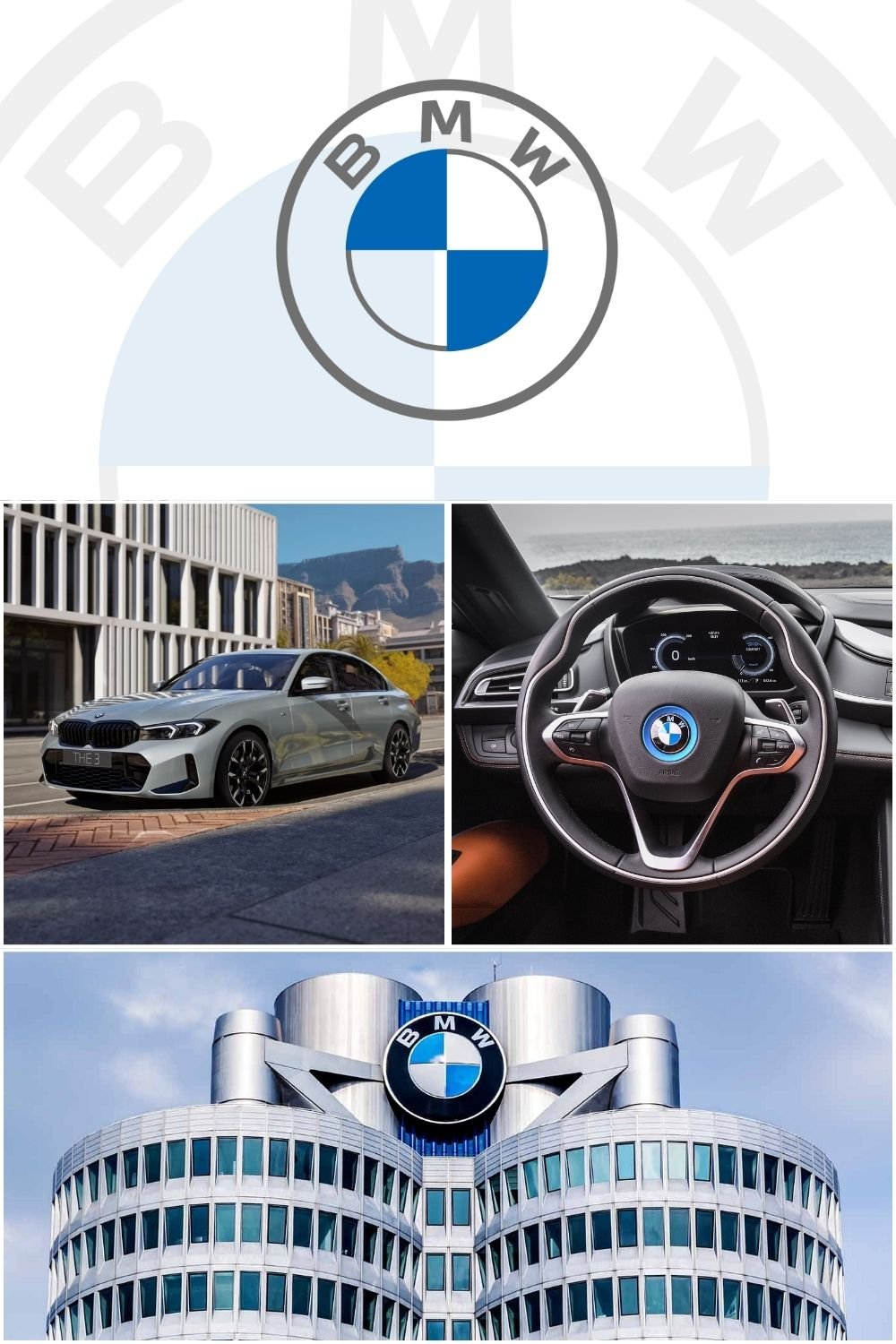
BMW is famous for producing sporty, performance-focused cars. The brand prioritizes driver engagement and impeccable engineering.
Logo Description:
The blue and white quadrants reflect the Bavarian flag, symbolizing heritage and precision.
5. Honda (Japan)
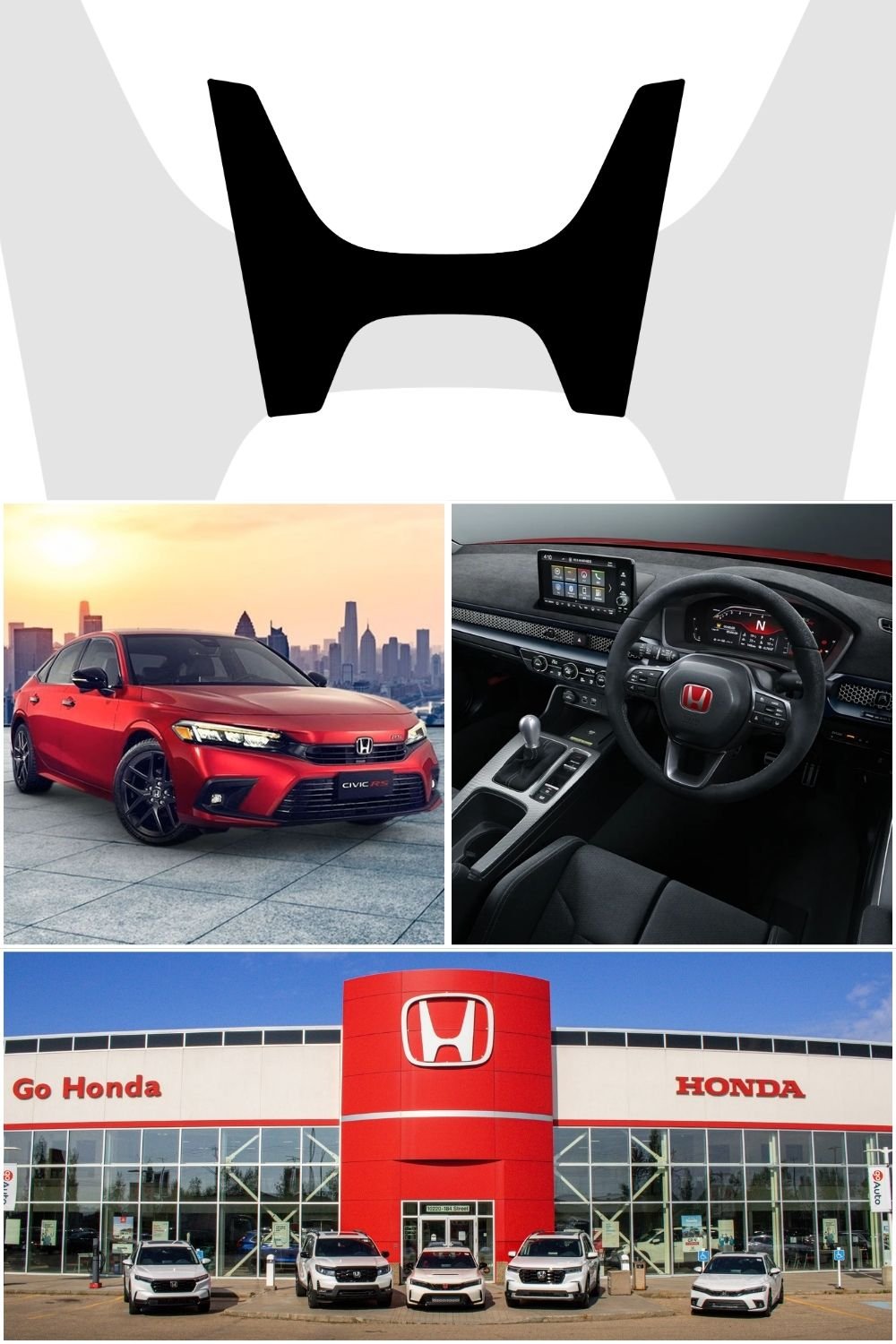
Honda is globally known for durable engines, efficient sedans, and popular motorcycles. The Civic and Accord remain among the world’s most trusted vehicles.
Logo Description:
The bold “H” represents stability and strength—mirroring Honda’s engineering identity.
6. Ford (United States)
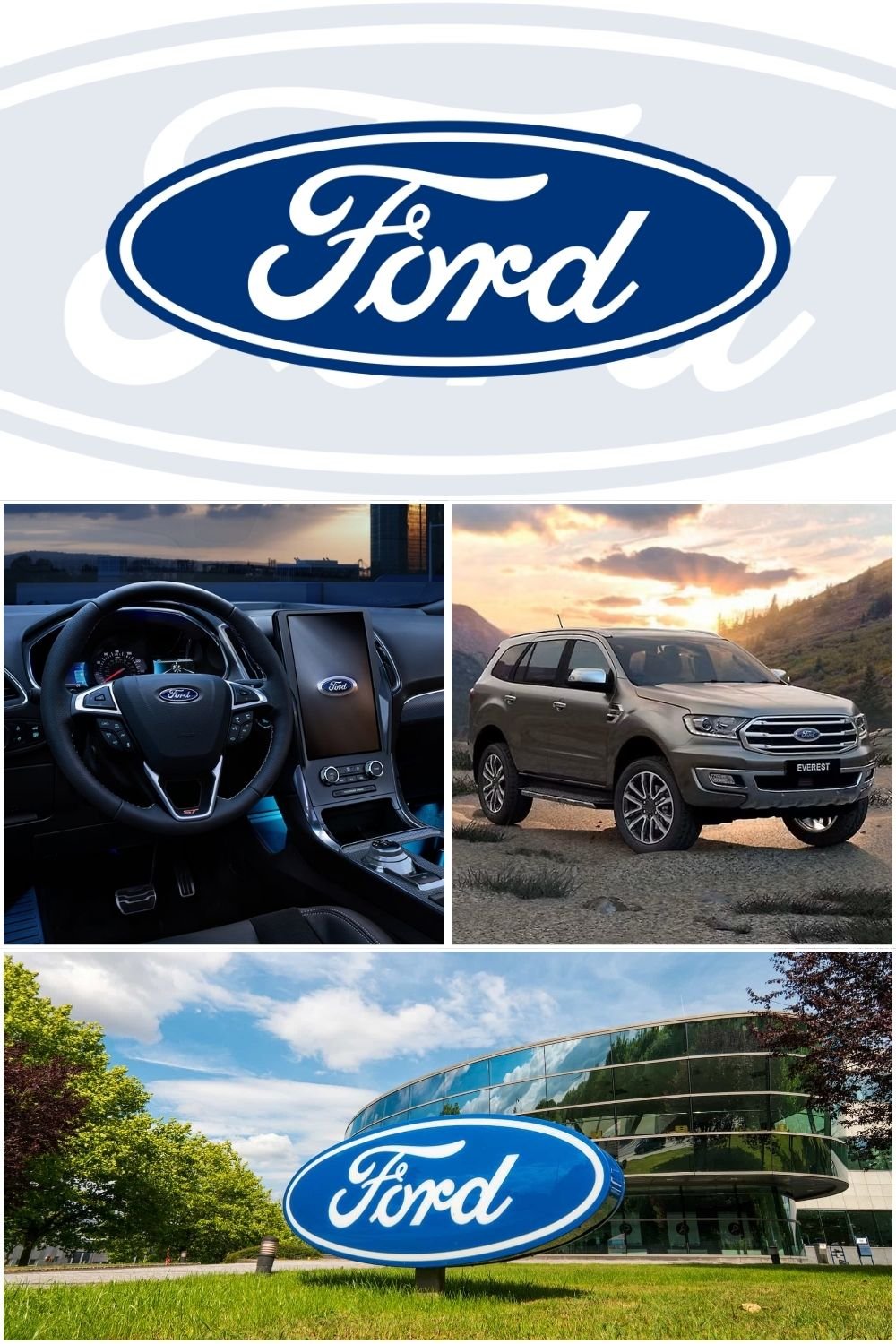
Ford revolutionized the automotive world through mass production. The F-150 remains America’s bestselling truck, while Mustang appeals to performance enthusiasts.
Logo Description:
The blue oval symbolizes reliability, trust, and Ford’s century-old heritage.
Also Read: History of The Ford Logo Design
7. Chevrolet (United States)
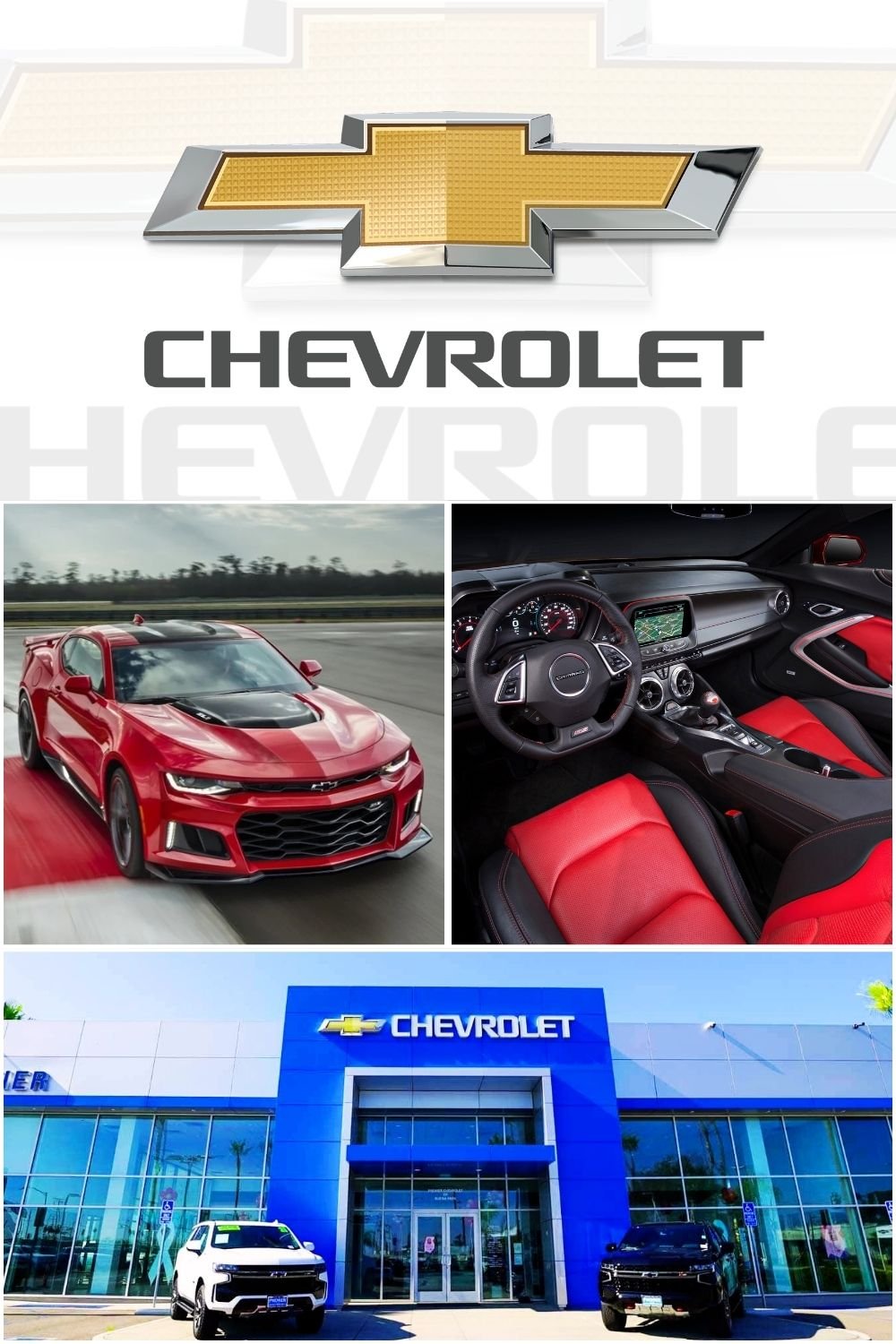
Chevrolet produces everything from affordable compacts to performance icons like the Corvette and Camaro.
Logo Description:
The “bowtie” emblem represents durability and American craftsmanship.
8. Hyundai Motor Group (South Korea)
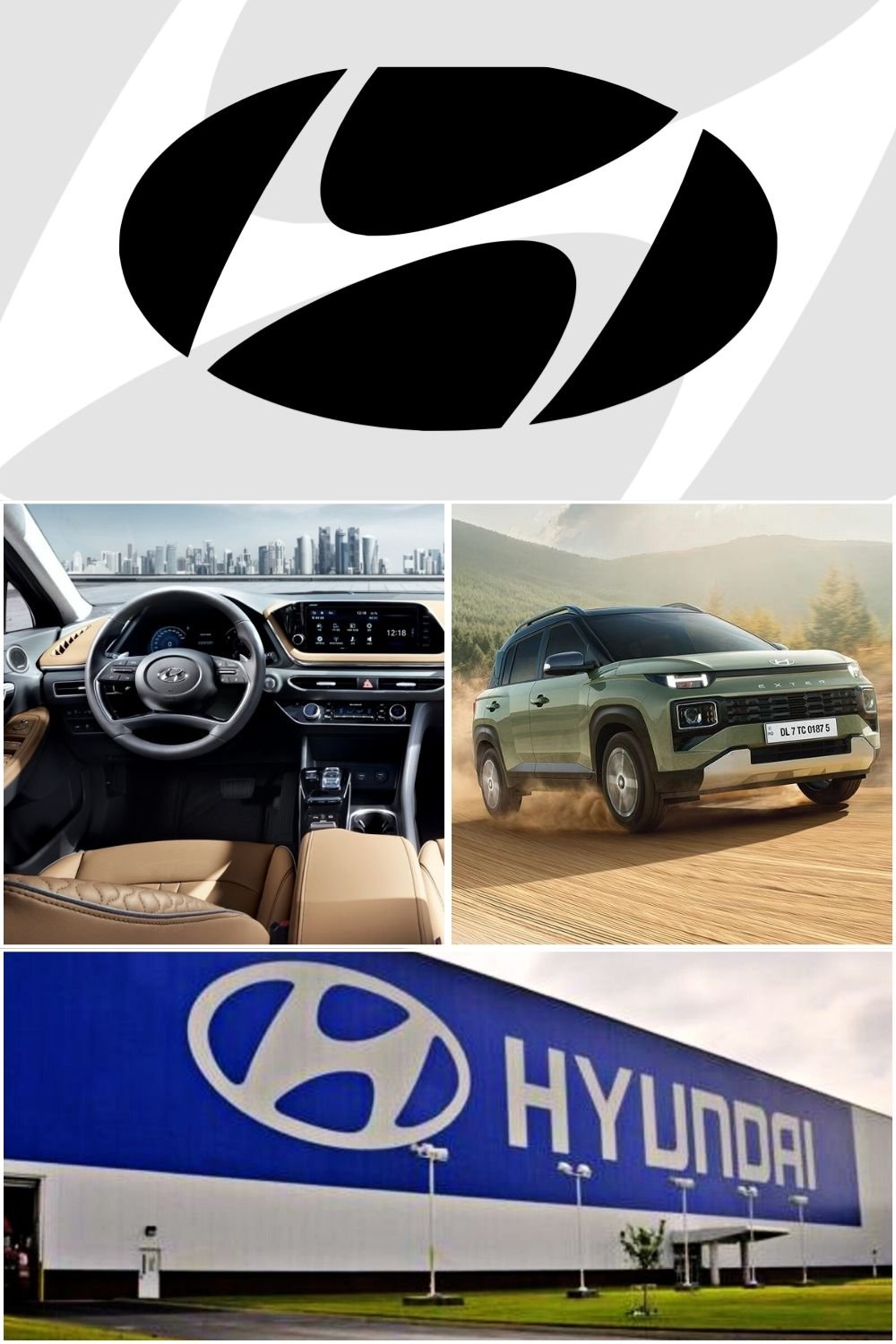
Hyundai, Kia, and Genesis form one of the world’s fastest-growing automotive groups. They’re known for affordability, style, and industry-leading warranties.
Logo Description:
The slanted “H” represents two people shaking hands: the company and the customer.
9. Nissan (Japan)
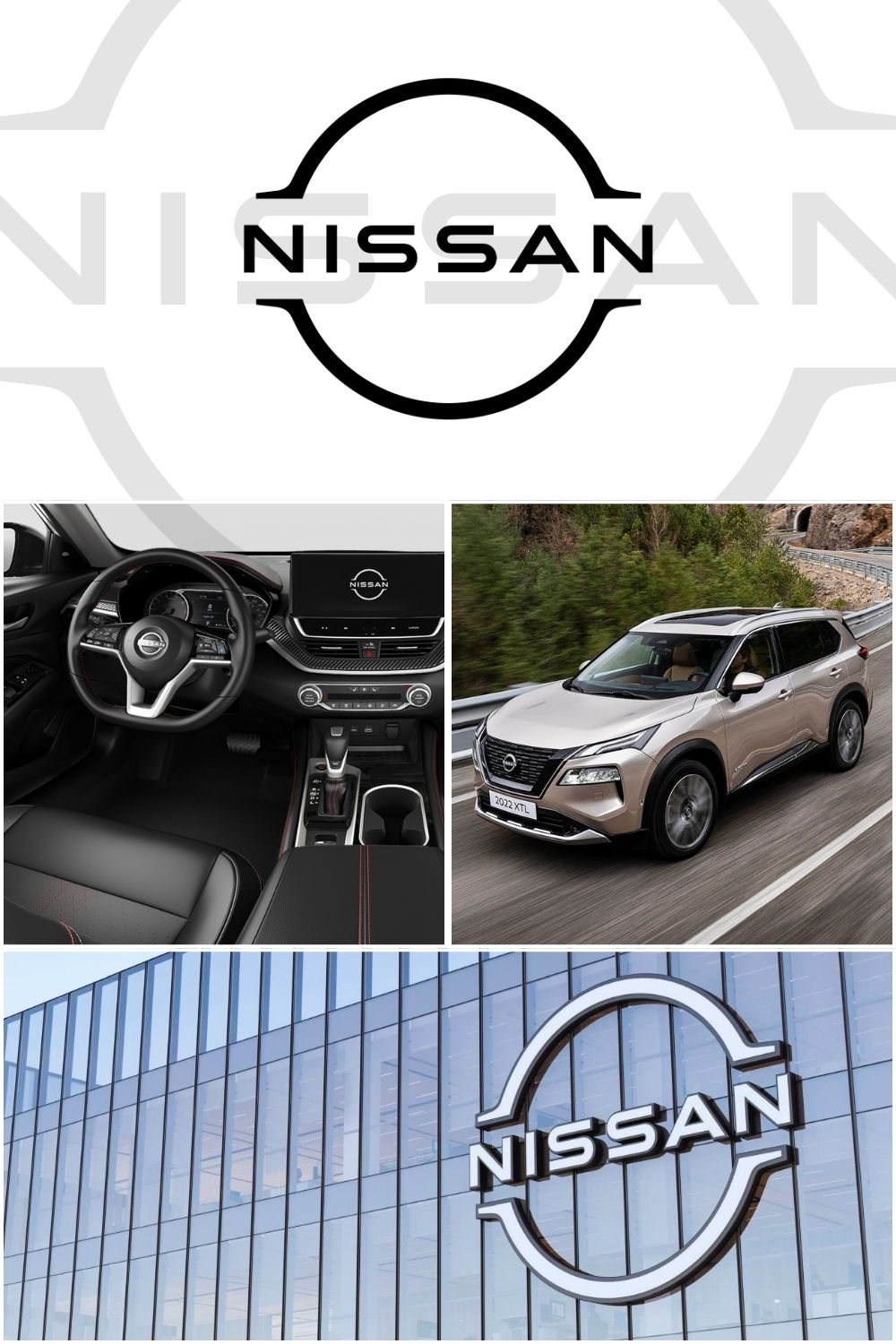
Nissan blends affordability with performance, producing popular cars like the Altima and legendary GT-R.
Logo Description:
The horizontal bar across the circle symbolizes the rising sun and Nissan’s Japanese roots.
10. Tesla (United States)
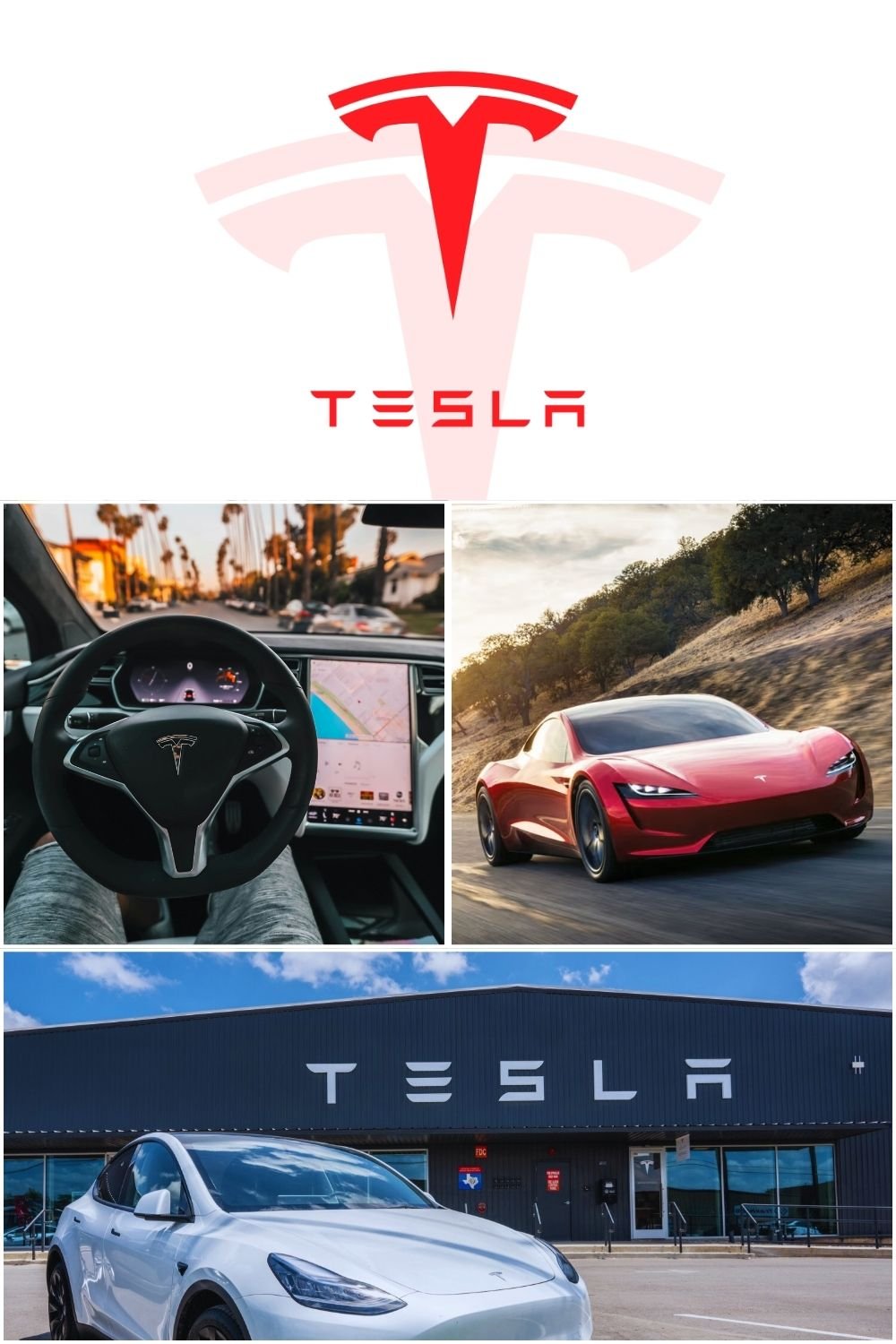
Tesla transformed the automotive landscape with high-performance electric vehicles and over-the-air software updates. The Model 3 and Y dominate global EV sales.
Logo Description:
The “T” symbolizes part of an electric motor’s design—a nod to Tesla’s engineering.
11. Audi (Germany)
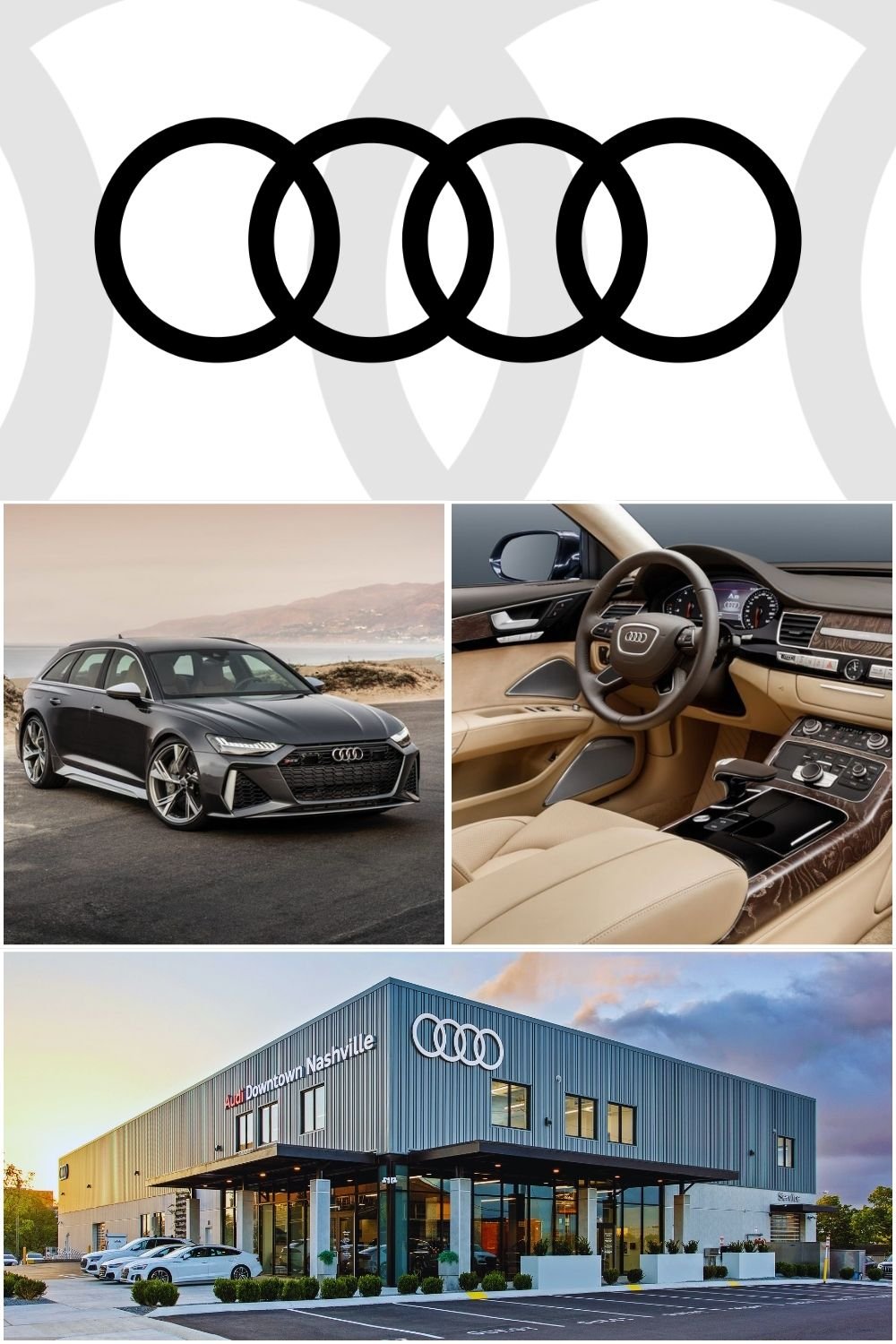
Audi is known for quattro AWD, high-tech interiors, and sleek design. It sits at the forefront of automotive tech innovation.
Logo Description:
Four rings representing the original Auto Union companies: Audi, DKW, Horch, and Wanderer.
12. Volvo (Sweden)
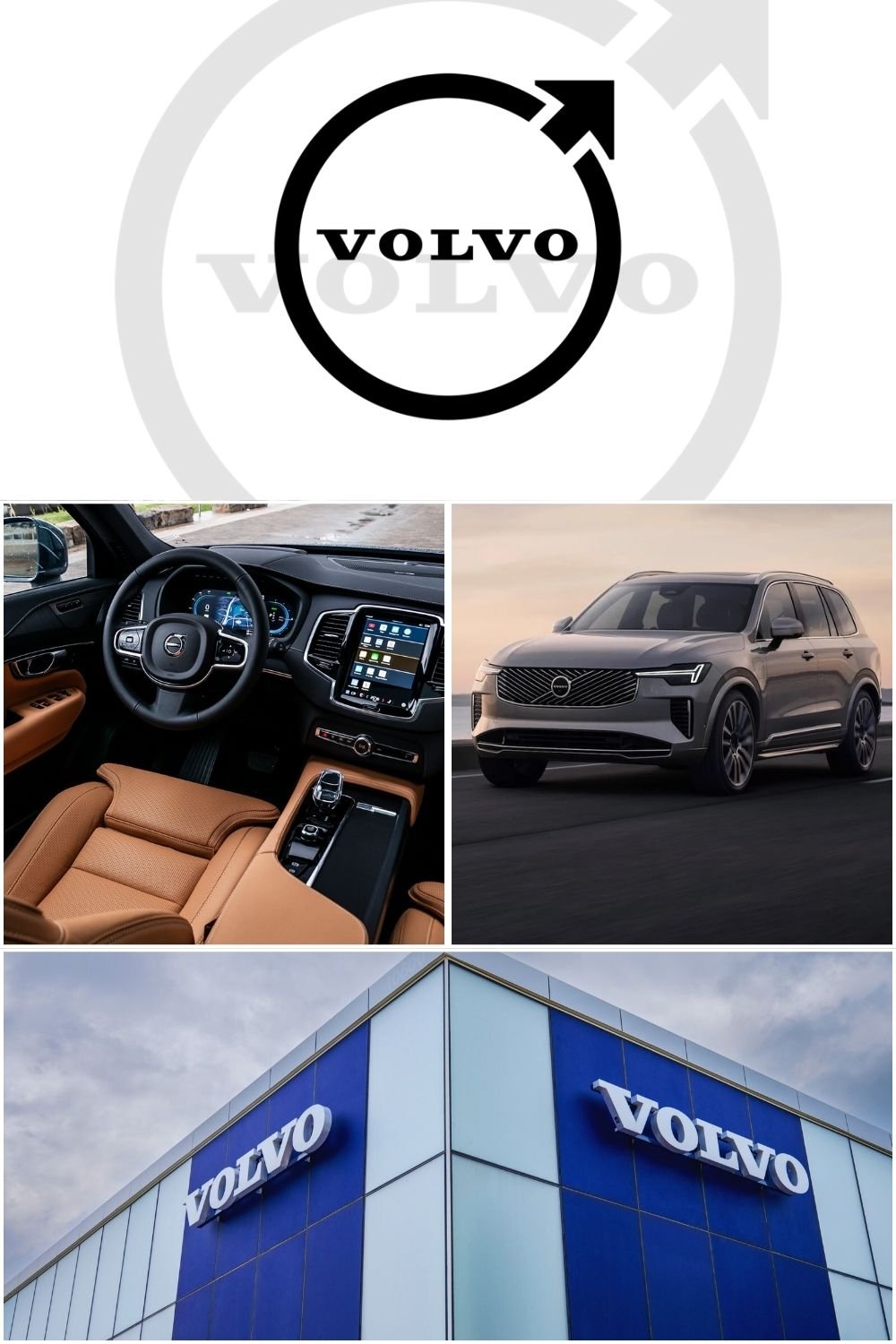
Volvo is revered for safety, Scandinavian design, and environmental leadership.
Logo Description:
The diagonal arrow represents iron—symbolizing strength and Swedish industrial heritage.
Conclusion
These 12 legendary car manufacturers have shaped the global auto industry through innovation, design, performance, and distinct identity.
As electrification transforms the automotive landscape, these brands continue to lead the way into the future of mobility.