
Swag That Survives the Drawer: How to Design Event Merch People Actually Keep for Startup Launches, Conferences, and Fundraisers
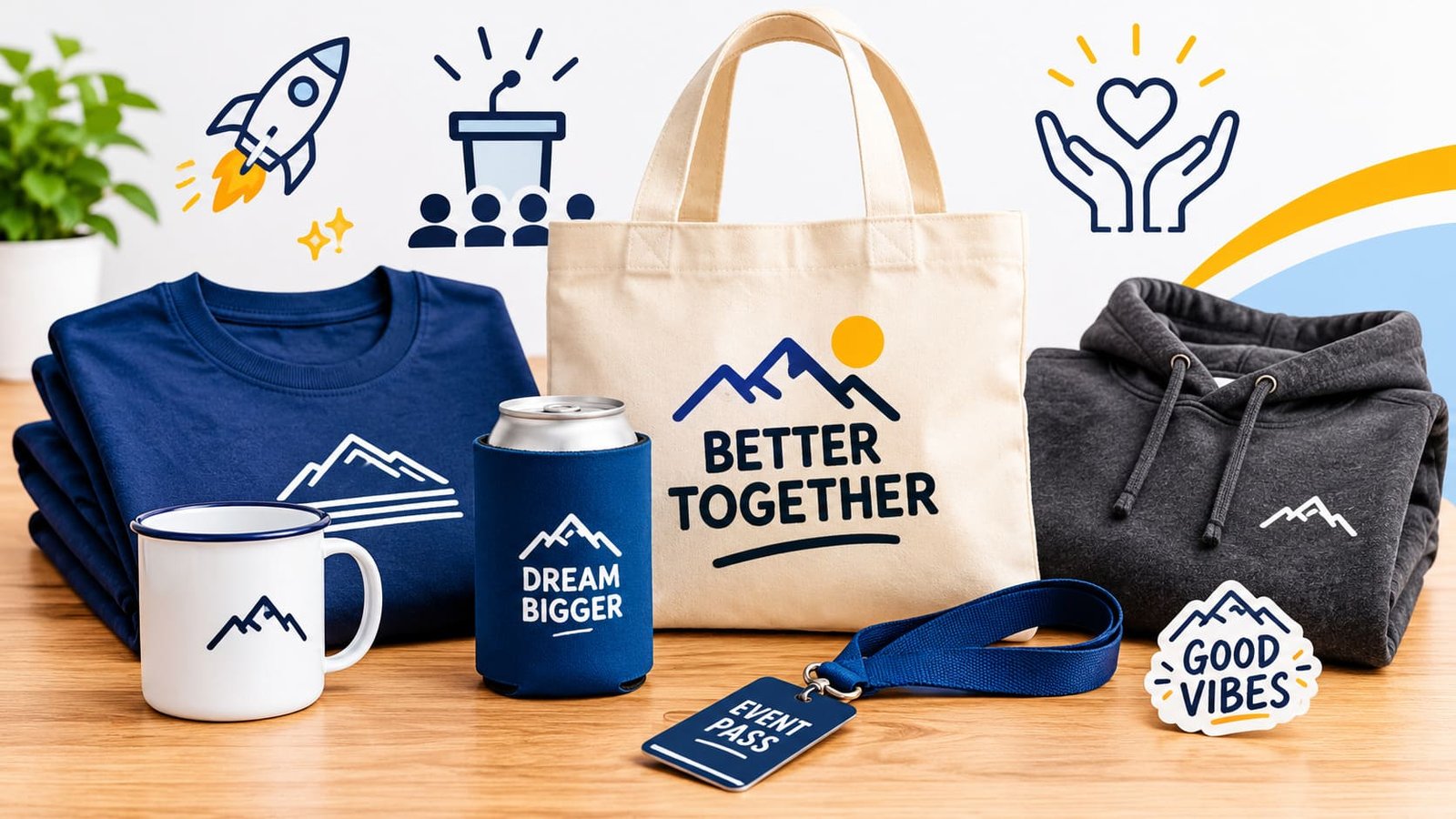
Most event swag has a short and forgettable life: it gets handed out at a registration table, tossed into a tote bag, and quietly dropped in a donation bin a few months later.
For startups, conference organizers, and nonprofits watching every dollar, that’s budget spent on clutter. Merch that people keep works differently, because it shows up in offices, gyms, and backyards long after the event ends and carries your brand into rooms you were never invited to.
This guide covers the design choices that separate keepers from giveaways, with specific advice for product launches, industry conferences, and fundraising events.
Design for the Item’s Second Life
Before you sketch anything, picture where the item will be three months after the event. A conference tote that only makes sense inside the venue won’t survive, but one that fits a laptop and a week’s groceries will.
Ask whether someone with no connection to your event would still want to use it, because that’s the real test. This mindset usually pushes the event name off the chest and onto a quieter spot, such as a sleeve, a hem tag, or the back of the neck.
A logo sized for a billboard reads as advertising, while a small mark reads as a detail. Treat the event branding as a signature instead of a headline, since people happily wear a signature but rarely want to be a walking banner.
Second-life checklist before you approve a design:
- Would someone outside the event use it at least once a week?
- Does it still make sense without the date printed on it?
- Is the logo small enough to feel intentional rather than promotional?
- Does it fit an everyday routine like a commute, a workout, or a desk setup?
Lead With Artwork, Not the Logo
The merch people hold on to usually looks like something they could have bought in a shop. That means building the design around an illustration, a sharp line of copy, or a pattern that stands on its own.
A startup launching a budgeting app might print a dry joke about spreadsheets instead of its wordmark. A conference in a city with a strong identity can borrow a local landmark or a bit of regional slang, which turns the shirt into a souvenir instead of a uniform.
Tonal printing, such as navy ink on a slightly lighter navy tee, makes a piece feel premium and easy to wear. Save the full-color logo for the hang tag or packaging, where it still does its job without crowding the art.
Mascot and badge-style logo collections are a great starting point for this art-first approach.
Art-first design moves that work:
- Swap the wordmark for an illustration or an inside joke your audience gets.
- Use tonal or one-color prints for a retail feel.
- Move event details to a sleeve, back yoke, or inside neck print.
Match the Piece to the Event Type
Startup launches, conferences, and fundraisers attract different crowds with different reasons to remember the day, so one swag formula won’t fit all three.
A launch is a story about beginnings, and the merch should feel like an early-supporter badge. Limited runs marked “Batch 001” or the launch month turn a simple tee into proof that someone was there first.
Conferences revolve around travel and long days, so useful carry items beat novelty every time. Fundraisers run on pride, which means the cause should sit front and center while the organizer’s name stays small.
Match the item to the motive behind attending, and nearly every other design decision gets easier.
Quick Pairings by Event
- Startup launches: early-supporter tees, numbered hoodies, and founder-signed sticker sheets.
- Conferences: packable totes, cable organizers, and light layers for chilly ballrooms.
- Fundraisers: cause-forward apparel, drinkware for outdoor events, and tiered items for donor levels.
Pick Items That Earn Their Keep During the Event
The fastest way to make merch stick is to make it useful on the spot. When guests rely on an item at the event itself, they’ve already formed a habit before they head home.
Outdoor fundraisers, launch afterparties, and conference happy hours all share one thing: cold drinks and people looking for somewhere to set them down.
Custom Ink carries a broad lineup of Koozie-brand can and bottle coolers, from budget-friendly foam collapsibles for high-volume giveaways to neoprene styles with a more premium feel, so you can find the best options for your crowd and your budget.
Check what’s being poured before you order, because slim cans for hard seltzers and energy drinks need a slim-fit sleeve. Keep the artwork centered and simple, since the curved surface makes edge-to-edge detail hard to read.
A cooler that keeps someone’s drink cold at a summer charity 5K has a good chance of showing up at their next tailgate.
Drinkware fit check:
- Confirm the drink format: standard can, slim can, or bottle.
- Choose foam for volume or neoprene for a keepsake feel.
- Decide between a one-color print and full-color artwork.
- Compare your headcount with the product’s minimum order quantity.
Lock Your Colors Before Anything Goes to Print
Color drift is one of the most common reasons merch ends up looking off-brand. A logo built in RGB on a bright monitor rarely matches ink on cotton, and heathered fabrics shift tones even further.
Before sending artwork, translate your brand colors into spot colors so you and the printer are working from the same reference.
Pantone’s free Color Finder lets you search swatches and convert HEX or CMYK values to the nearest Pantone match. Ask for a proof on the exact garment color you’re ordering rather than on a white template.
If you’re printing light ink on dark fabric, confirm whether an underbase is needed so the color doesn’t print muddy.
Color checklist:
- Convert brand colors to Pantone spot colors before submitting art.
- Request proofs on the actual product color.
- Limit screen-printed designs to two or three colors to keep costs predictable.
Build Scarcity and Story Into the Drop
People hang on to things that feel limited. Instead of piling swag on a folding table, make some of it something attendees earn, like a hoodie for volunteers or an enamel pin for anyone who visits every sponsor booth.
Numbering a small run of premium pieces turns them into collectibles instead of freebies. Year-stamped series work especially well for annual conferences and fundraising walks, because returning guests start building a set.
Collect sizes during registration so nobody leaves with an XL they’ll never wear. Add a short card that explains the design or the cause, which gives the object a story worth retelling.
Distribution plan:
- Gather sizes and style preferences at registration.
- Reserve premium pieces for earned moments.
- Number or date-stamp limited items.
- Tuck a story card into each package.
- Plan for leftovers, such as staff kits or next year’s welcome bags.
Event Merch FAQ
Even with a solid plan, a few practical questions tend to come up once the order form is open. These answers cover the decisions organizers most often stall on, from item choice to timing. Use them as a final gut check before you approve a design.
What kind of event merch do people keep the longest?
Items that fit into daily routines last the longest, including soft tees, hoodies, sturdy totes, and insulated drinkware. Novelty gadgets and bargain pens usually disappear within weeks. Prioritize comfort and everyday usefulness over trends, and the piece will stay in rotation.
How many swag items should each attendee get?
One well-made item almost always outperforms a bag of five forgettable ones. Concentrating your budget on a single quality piece raises the odds that it gets used and seen. If you want variety, offer a small choice at pickup rather than handing everyone everything.
Should the event date go on the merch?
Only if it’s small or part of a recurring series that people collect. A large date on the front locks the item to a single day and makes it feel outdated quickly. Placing it on a sleeve or inside print keeps the memory without limiting how often the piece gets worn.
How far ahead should I order merch for a conference or fundraiser?
Plan on four to six weeks for most custom orders, which leaves room for proofs, revisions, and shipping. Rush production is possible for many products, but it narrows your choices and can raise costs. Building in a buffer also gives you time to fix color or sizing issues before the event.
Can event merch help a fundraiser raise money?
Yes, when the design is strong enough that supporters would buy it on its own. Many nonprofits sell premium apparel at a markup or bundle items with specific donation tiers. Cause-forward artwork performs best, because donors are proud to wear what they support.
Conclusion: Merch Worth Keeping Starts With the Person, Not the Logo
Great event merch isn’t about printing more, it’s about printing smarter. Every piece should earn a place in someone’s routine, whether that’s a morning commute, a weekend cookout, or a workday at the desk.
Startups can turn launch swag into early-supporter badges, conferences can lean on travel-friendly utility, and fundraisers can let the cause carry the design. Small logos, strong artwork, accurate colors, and thoughtful distribution all push in the same direction.
The goal is simple: design event merch for the life it will lead after the event, so your startup launch, conference, or fundraiser keeps earning attention long after the last guest heads home.
When an item is useful, good-looking, and tied to a story, people keep it, use it, and show it off on your behalf.