
5 Digital Marketing Innovations That Are Revolutionizing the Food Industry
The food industry is undergoing a digital transformation, driven by advancements in technology and changing consumer behavior.
With the rise of e-commerce, social media, and data-driven strategies, food brands have had to evolve their marketing efforts to remain competitive.
The ability to reach consumers in more personalized and engaging ways has become essential for brands looking to grow their market share.
Digital marketing is no longer just about creating an online presence; it’s about using innovative tools to create meaningful connections and drive sales.
As consumers continue to shift toward digital platforms for purchasing decisions and brand interactions, food companies must adopt the latest digital marketing trends to stay relevant.
In this blog, we’ll explore five digital marketing innovations that are revolutionizing the food industry and reshaping the way brands engage with their audiences.
These strategies are not only improving customer experience but also helping food brands increase visibility, improve engagement, and boost revenue.
1. Artificial Intelligence and Automation
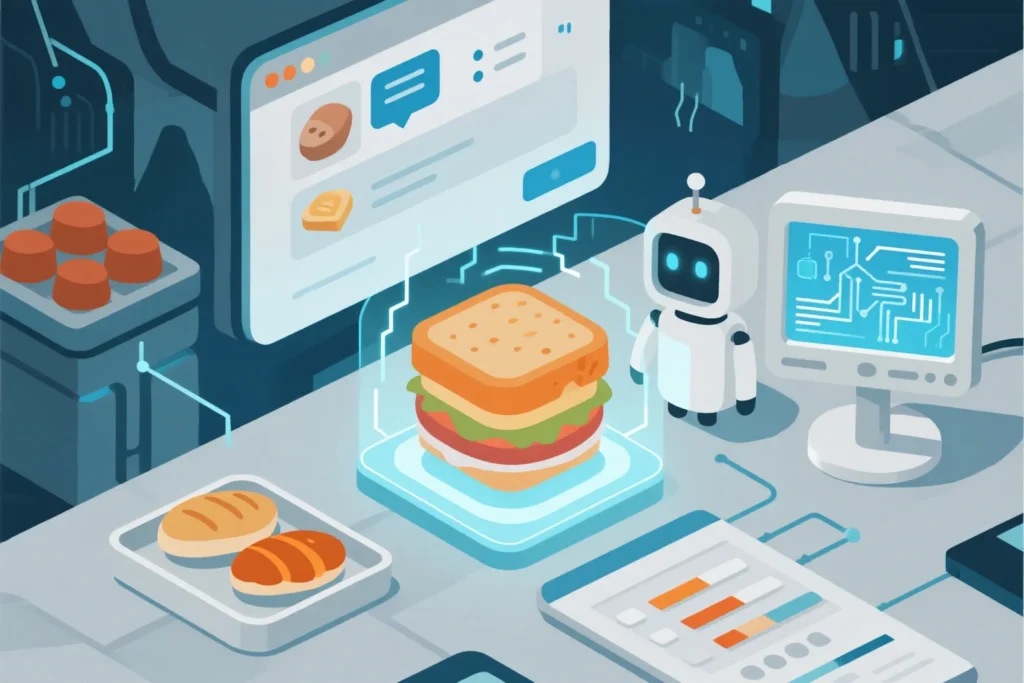
Artificial intelligence (AI) and automation are reshaping how food companies engage with their customers.
AI-driven technologies like chatbots and recommendation engines are increasingly used to enhance customer service and provide personalized experiences.
Food brands can now interact with customers in real-time, answering questions and offering product suggestions based on previous behavior.
Automation tools also help streamline marketing campaigns, reducing manual effort while improving accuracy and efficiency.
By integrating AI into their marketing strategies, food companies are able to deliver timely, relevant, and customized experiences for their audience.
In addition to improving customer interactions, AI is playing a major role in optimizing digital marketing strategies.
Machine learning algorithms analyze customer data and predict trends, allowing food companies to make smarter marketing decisions.
By leveraging AI-driven insights, brands can target the right audience with the right message at the right time.
These innovations are helping food businesses stay competitive in an increasingly crowded marketplace.
For those looking to take their digital marketing to the next level, working with a New York digital marketing agency can provide the expertise needed to implement AI-driven strategies effectively.
2. Social Media Marketing and Influencer Partnerships
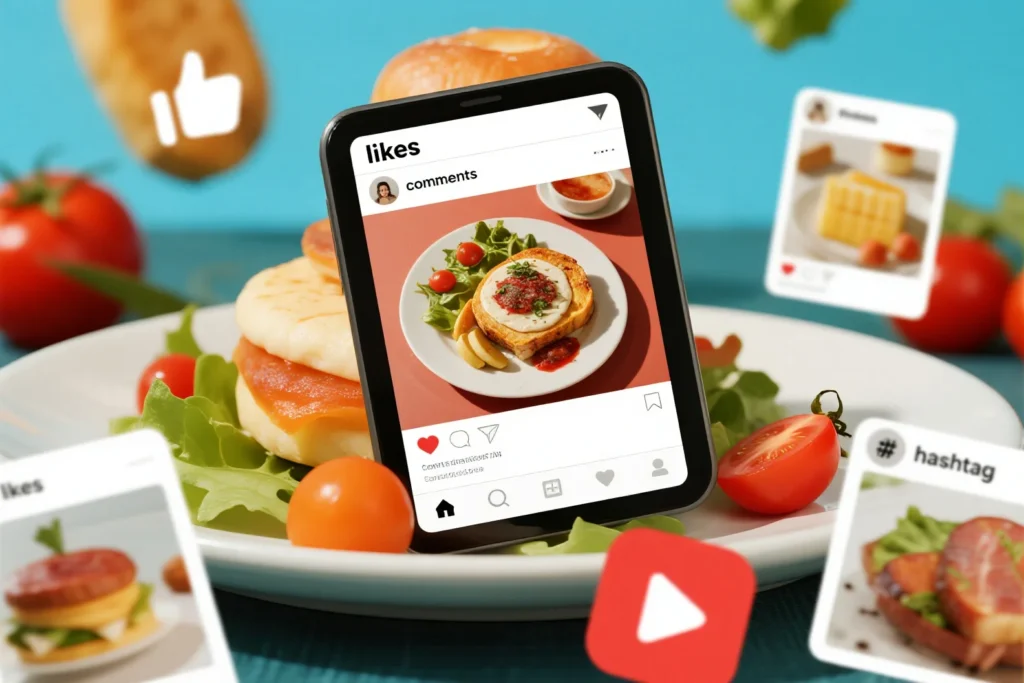
Social media has become a powerful tool for food brands to connect with consumers, build brand loyalty, and drive sales.
With billions of active users across various platforms, social media allows food companies to reach a wide audience and engage with customers on a personal level.
From Instagram to TikTok, food brands are using social media to showcase their products, share behind-the-scenes content, and promote special offers.
Engaging content, such as recipe videos, influencer collaborations, and user-generated posts, helps food brands create a sense of community and foster brand loyalty.
In addition to traditional social media marketing, influencer partnerships have become an essential part of digital marketing strategies for food brands.
With guidance from the best digital marketing agency in New York, food companies can collaborate with influencers who align with their brand values to reach new audiences and build trust.
Influencers help humanize a brand, making it more relatable and authentic to their followers.
Whether a food blogger shares a recipe or a social media personality promotes a product, influencer marketing enables food brands to expand their reach, strengthen credibility, and connect with potential customers in a meaningful way.
3. Data-Driven Personalization
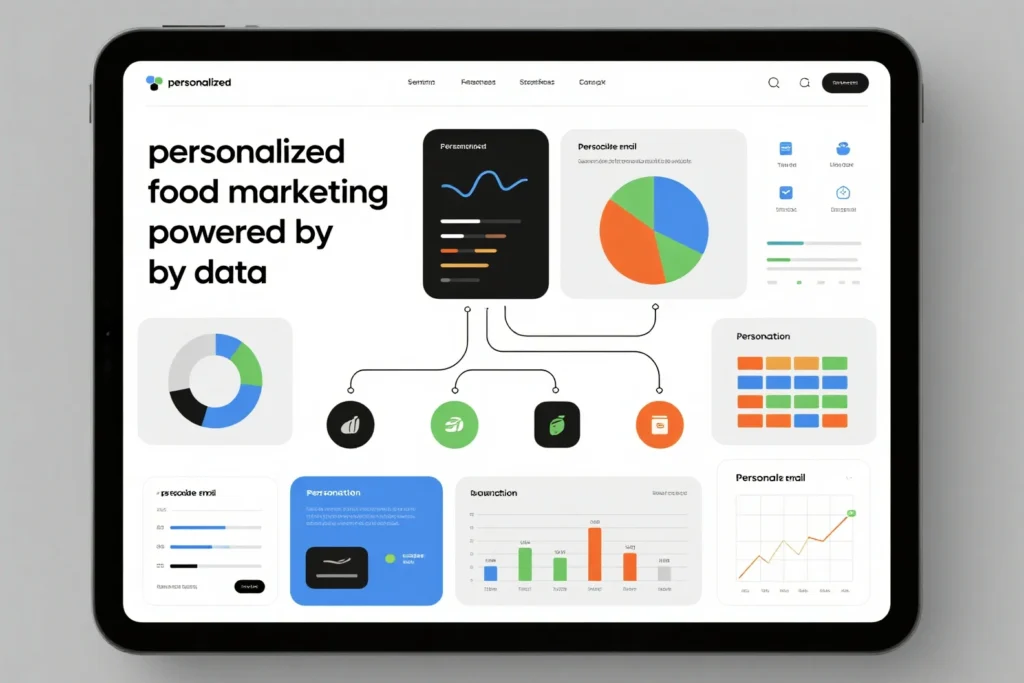
Personalization is at the heart of modern digital marketing. By collecting and analyzing customer data, food brands can create highly personalized experiences that resonate with their audience.
Data-driven marketing allows companies to understand consumer preferences, behaviors, and purchasing habits, which can be used to deliver tailored messaging and offers.
For example, personalized email campaigns, customized product recommendations, and exclusive offers based on past purchases help food companies nurture relationships with their customers.
Data-driven personalization goes beyond creating individual experiences, it also enhances customer satisfaction and retention.
By learning from the strategies of top food and beverage companies, food brands can deliver relevant content and tailored recommendations that foster deeper connections with their audience.
Personalization is key to boosting sales and driving conversions, and with the right tools and approaches, businesses can harness data to craft meaningful, engaging customer journeys.
Leveraging insights from industry leaders helps food companies optimize their personalization efforts for maximum impact.
4. Mobile Marketing and App Integration
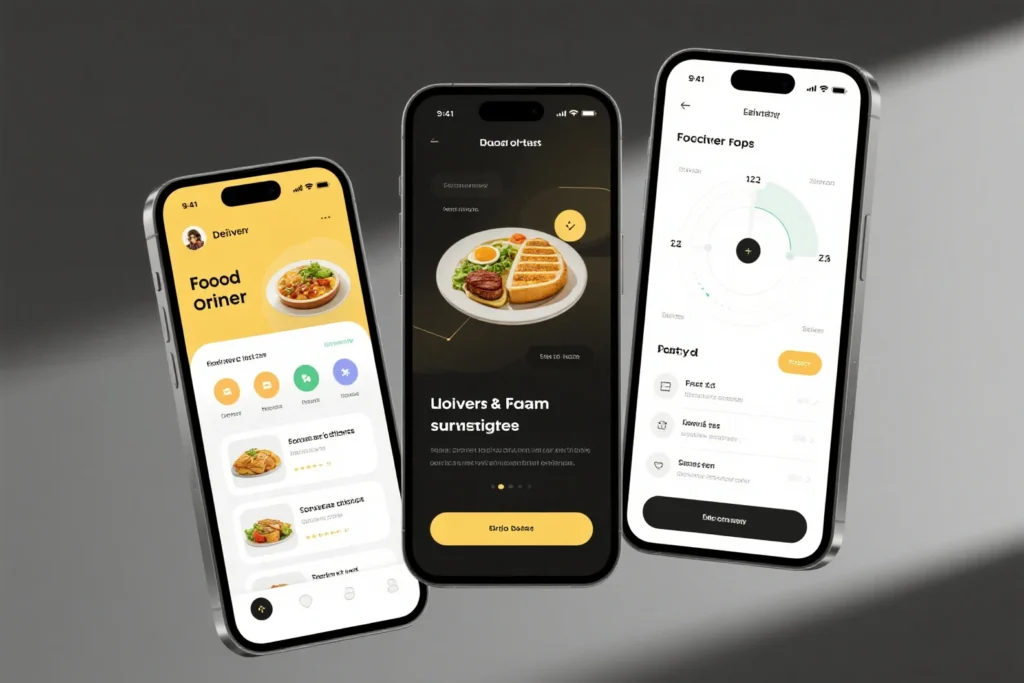
In the mobile-first world, food brands need to prioritize mobile marketing to stay connected with their customers.
With more people using smartphones to browse, shop, and engage with brands, it’s crucial for food companies to optimize their digital marketing strategies for mobile devices.
Mobile apps, for example, provide food brands with an opportunity to offer a seamless and personalized experience for their customers.
Apps allow users to place orders, track deliveries, and receive notifications about promotions, all from the convenience of their phones.
In addition to apps, mobile-friendly websites and mobile advertising are essential for reaching on-the-go consumers.
By ensuring that their websites are optimized for mobile devices, food brands can improve user experience and increase conversion rates.
Mobile advertising, including in-app ads and SMS marketing, offers food companies another way to engage with their audience.
As mobile usage continues to rise, food businesses need to embrace mobile marketing to stay relevant in the digital age.
A digital marketing agency can provide expertise in creating mobile-friendly marketing strategies and app integrations that cater to today’s mobile-first consumers.
5. Video Content and Live Streaming

Video content has become one of the most engaging and effective forms of digital marketing in the food industry.
From recipe videos to product demonstrations, food brands are using video to capture their audience’s attention and showcase their products in a dynamic way.
Video allows food companies to tell their brand story, highlight their values, and demonstrate the quality and authenticity of their products.
Platforms like YouTube, Instagram, and TikTok are ideal for sharing food-related videos that resonate with consumers and drive brand awareness.
Live streaming is also gaining popularity as a way for food brands to connect with their audience in real time.
Whether it’s a live cooking demonstration, a behind-the-scenes look at the kitchen, or a virtual tasting event, live streaming offers an authentic and interactive experience for consumers.
It creates a sense of urgency and exclusivity, encouraging viewers to engage with the brand in real time.
As consumers continue to crave more authentic and transparent experiences, video content and live streaming are becoming essential tools for food brands.
Conclusion
As the food industry continues to adapt to the digital era, leveraging the latest marketing innovations is essential for staying competitive.
AI-driven technologies, social media strategies, data personalization, mobile marketing, and video content are just a few of the advancements helping food companies connect with their audience in new and meaningful ways.
Embracing these innovations allows brands to not only enhance customer engagement but also improve their bottom line.
Collaborating with experienced professionals can help food brands implement these strategies effectively.
Working with experts ensures that brands stay ahead of the curve, maintaining a competitive edge in an increasingly digital world.
As digital marketing trends continue to evolve, staying up-to-date with the latest strategies will be crucial for food brands to retain their position in the market.
By investing in the right digital marketing tools and expertise, food brands can unlock new opportunities for long-term growth and success.